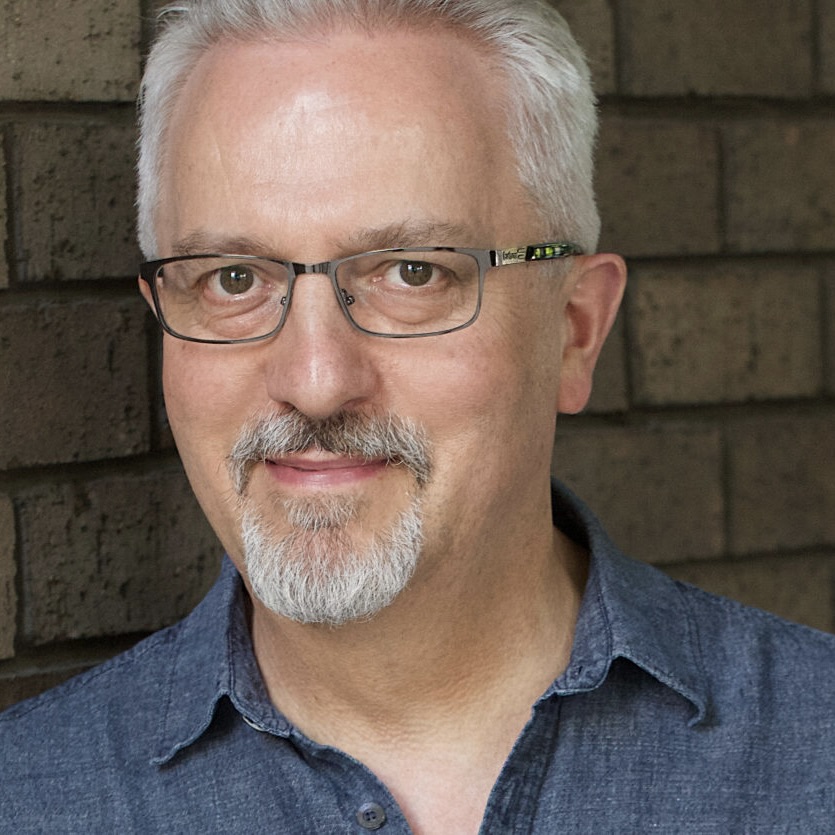
Alan Hollinghurst, who was knighted in the 2025 New Year Honours list for services to literature, has written seven internationally acclaimed novels. As a graduate student he won Oxford’s Newdigate Prize for poetry and a successful career followed as an editor in literary journalism – before his award-winning fiction debut The Swimming Pool Library saw him named as one of the best of young British novelists. Hollinghurst went on to win an EM Forster award, a James Tait Black Memorial Prize and famously the Man Booker Prize for The Line of Beauty in 2004, which was made into a film in 2006. His latest celebrated novel is Our Evenings. He lives in north London.
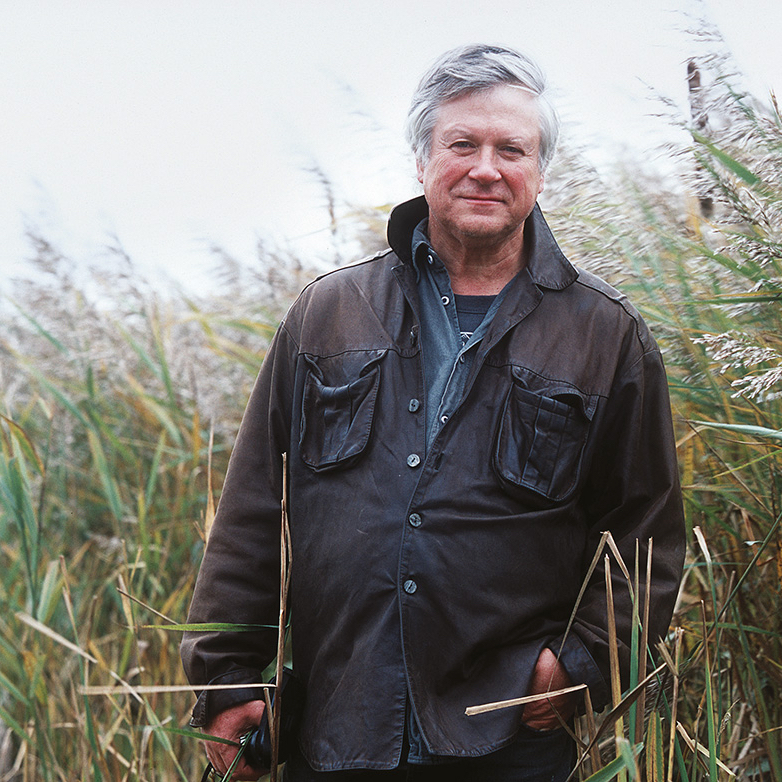
Richard Mabey is one of Britain’s most influential nature writers. Over a 50-year career, he has redefined nature writing with his blend of personal experience, cultural history, and environmental insight. Raised in the Chilterns and later based in Norfolk, Mabey champions a reciprocal relationship between humans and the wild. His acclaimed works, including Nature Cure and The Unofficial Countryside, challenge conventional boundaries between urban and rural, nature and culture. A passionate advocate for rewilding and ecological thinking, Mabey has profoundly shaped contemporary environmental consciousness and the literary landscape.
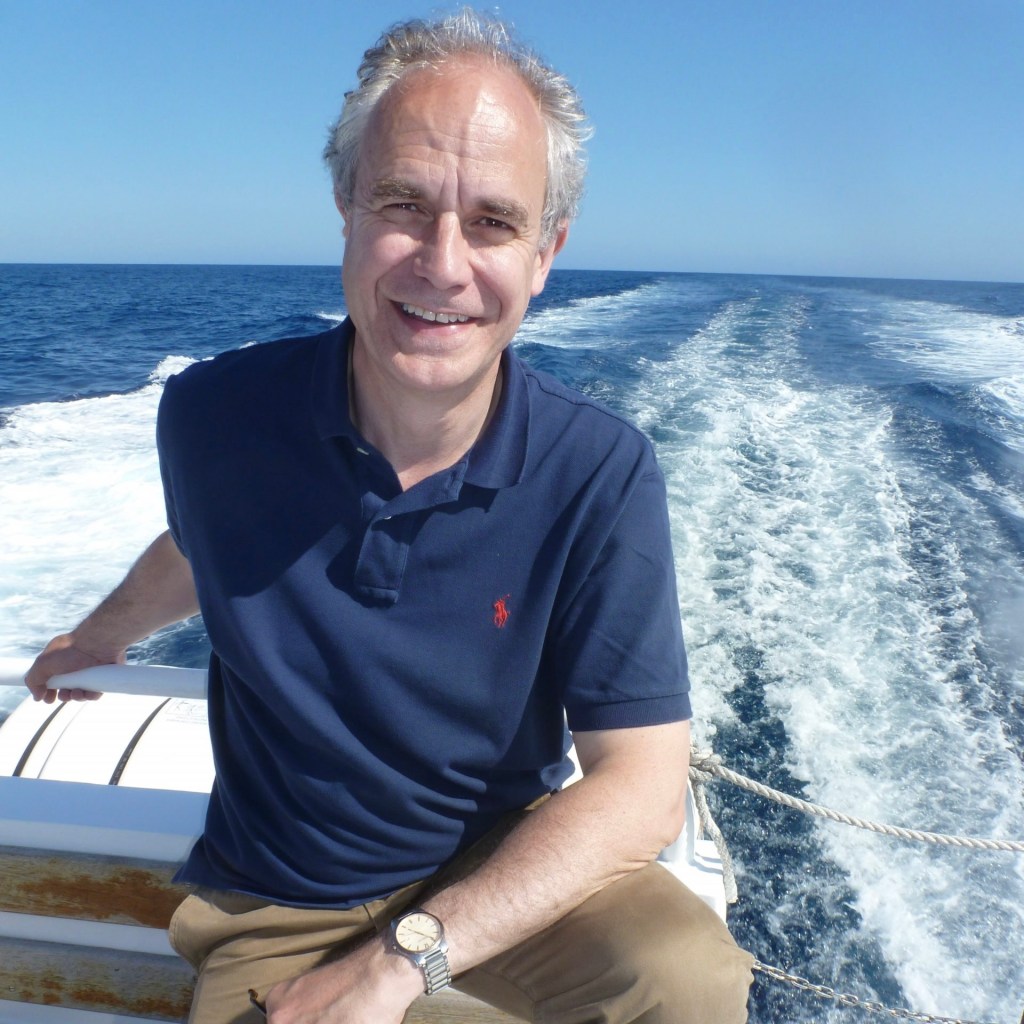
Charles Clover is an award-winning environmental writer and conservationist. During 30 years in journalism he was Environment Editor at first The Daily Telegraph and later The Sunday Times. His multi-award-winning 2004 book The End of the Line led to an acclaimed documentary film. The Blue Marine Foundation resulted – a charity working to protect the world’s oceans. Charles was executive director until July 2023 and since then has worked as senior adviser and consultant. His follow-up book Rewilding the Sea describes their inspiring success stories and enduring challenges. Clover chairs the Dedham Vale Society, which fights to protect the rural beauty of his local AONB.
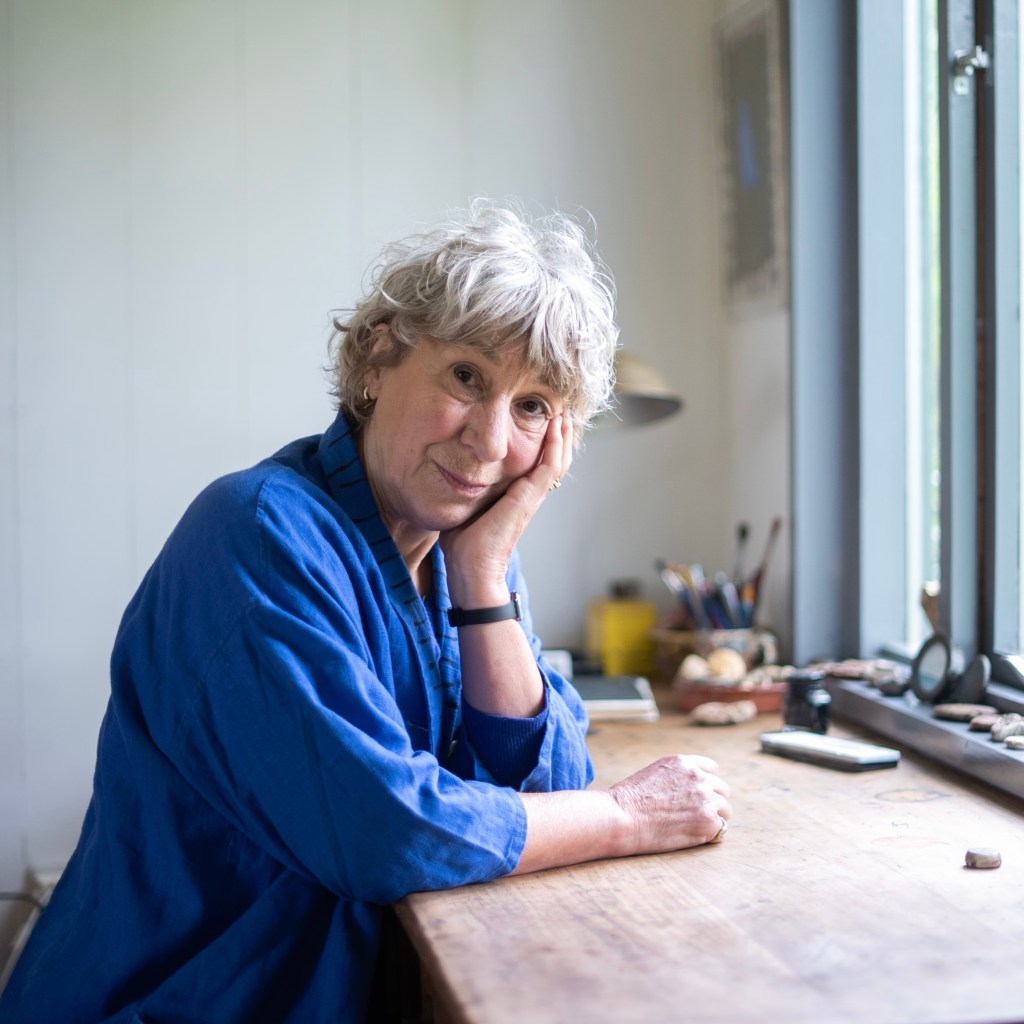
Julia Blackburn is an award-winning writer of non-fiction books, poetry and radio plays. Her innovative work – often about ‘the visitable past’ from the perspective of her own fascinating life – has been praised by writers as diverse as Toni Morrison, Ronald Blythe, Margaret Drabble, Adam Nicolson and Max Porter. She was a finalist in the US National Book Critic’s Award and won a Deems Taylor Award. In the UK, she has been shortlisted for numerous prizes, and received a J.R.Ackerley Award, New Angle Prize and East Anglian Book of the Year. She lives in Suffolk and northern Italy.
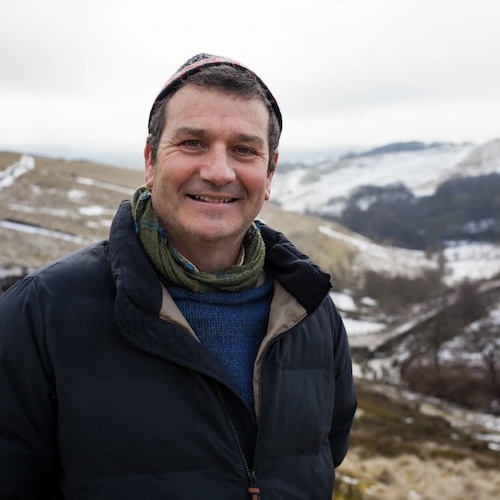
Mark Cocker is an acclaimed author of creative non-fiction and a naturalist who writes and broadcasts on wildlife in a variety of national media. He has contributed to the Guardian country diary for 36 years. His 13 books include works of biography, history, literary criticism and memoir. A Claxton Diary won the East Anglian Book of the Year Award, while Crow Country was shortlisted for the Samuel Johnson Prize and won the New Angle Prize. Mark was made a fellow of the Royal Society of Literature earlier this year. A new book The Nature of Seeing will be published by Cape in 2026.

John Mullan has taught at University College London for over 30 years and regularly reviews contemporary fiction for The London Review of Books, The Guardian and New Statesman, as well as contributing to BBC Two’s Newsnight Review and BBC Radio 4’s In Our Time. He was a judge for The Best of the Booker in 2008 and the Man Booker Prize in 2009. His seven books including What Matters in Jane Austen and How Novels Work have been praised for their wit and engagement and ‘a happy knack of making you read even familiar books with fresh eyes’. He is a frequent visitor to North Norfolk.
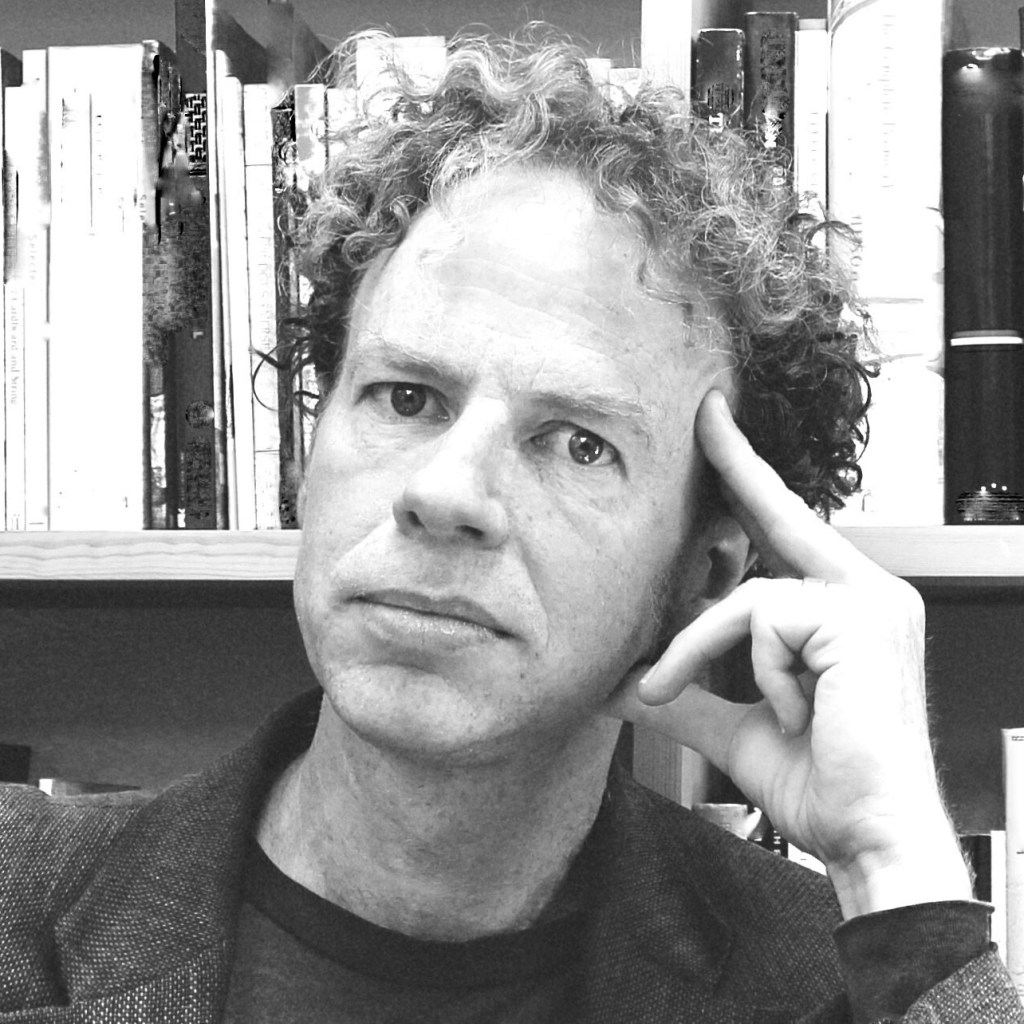
Matthew Hollis is an award-winning poet and biographer. His pamphlets and acclaimed collections Ground Water and Earth House explored landscape and our fluid place within it. His book about Edward Thomas won the Costa Award for Best Biography and his Biography of ‘The Waste Land’was a pick of the year in many publications. For over two decades until 2023 Matthew edited poetry at Faber & Faber. His translation of The Seafarer, an Anglo-Saxon elegy spoken by a lone traveller in exile on a winter sea came out in 2024. He co-edited the definitive Poems of Seamus Heaney which will be published a few days after our festival in October.
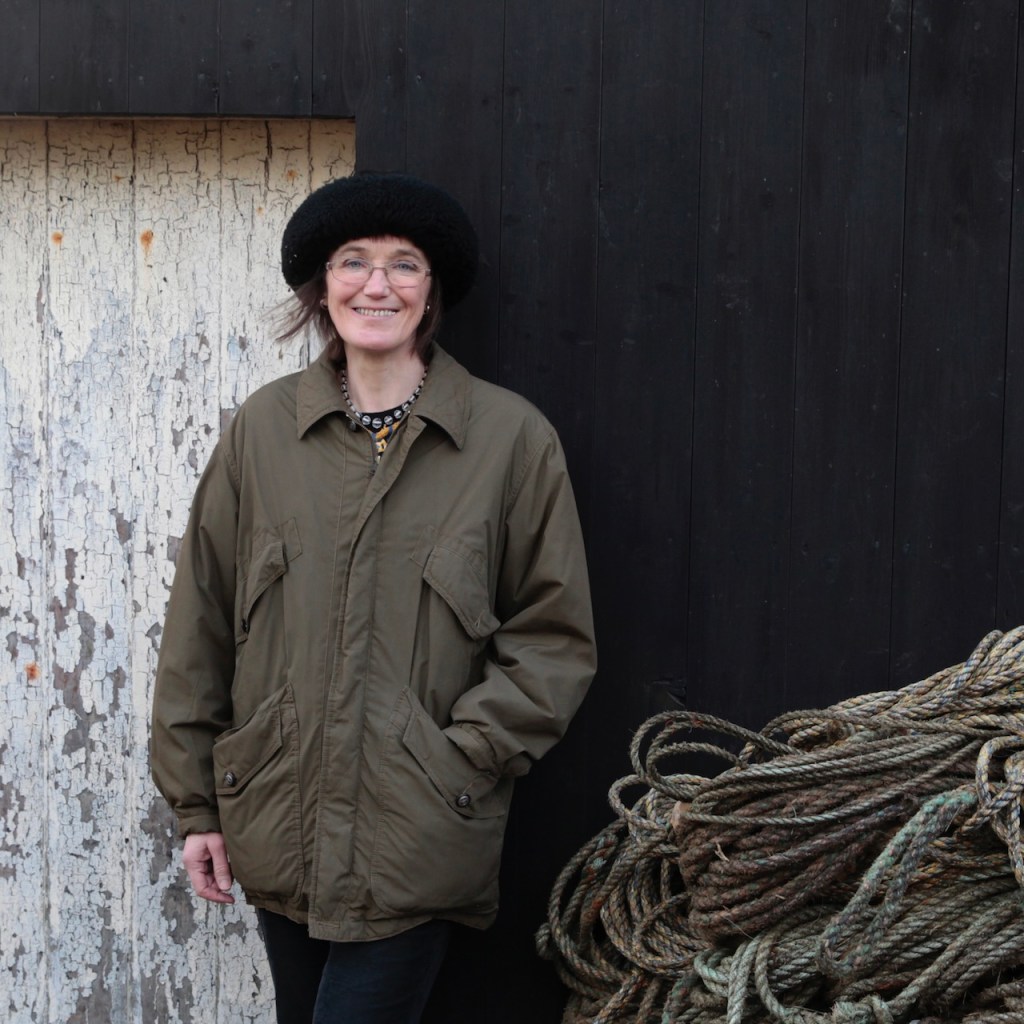
Katrina Porteous is known for her deep engagement with nature and the Northumberland coast where she has lived for 40 years beside a traditional fishing community. Her poetry is pervaded by music, oral history and cutting-edge scientific ideas. She has won both Eric Gregory and Cholmondeley awards. Her 2024 collection Rhizodont (Bloodaxe Books) was shortlisted for the TS Eliot prize and won this years’ Laurel Prize for poetry with an ecological focus. She collaborates with artists and musicians, her work has been broadcast on BBC Radio, and she is President of the Northumbrian Language Society.

Bernard O’Donoghue is a celebrated poet and emeritus fellow at Wadham College in Oxford where he has taught since 1971. His roots stretch between academic Oxford where he specialises in medieval verse and contemporary Irish literature and County Cork where for his first 16 years he was a farmer’s son. Bernard’s translations include medieval texts and contemporary Czech poems. His seven poetry collections have won him Whitbread and Cholmondeley Awards and he has been shortlisted five times for the T S Eliot prize. He recently co-edited the definitive Poems of Seamus Heaneywhich will be published in early October.
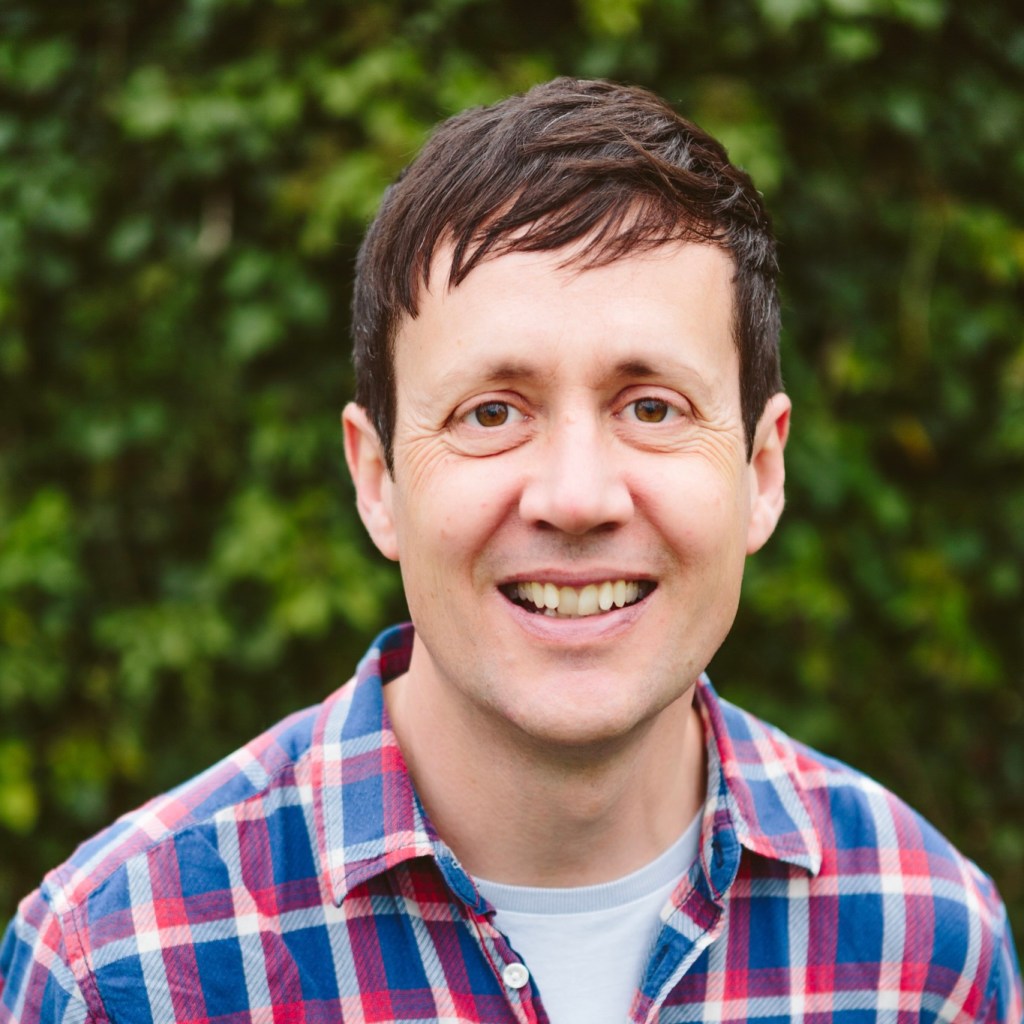
Patrick Barkham has been writing for the Guardian about natural history for over 20 years, and is one of the UK’s most eloquent nature chroniclers from a generation of British authors who revitalised British nature writing. His books blend environmental reporting with personal reflection and political insight and include The Butterfly Isles, Badgerlands, Islander, Coastlines, Wild Child and The Swimmer – a biography of Roger Deakin. Patrick has been shortlisted for the Ondaatje Prize and the Wainwright Prize. He was born in Norfolk, where he lives with his family. For four years he has been President of the Norfolk Wildlife Trust.
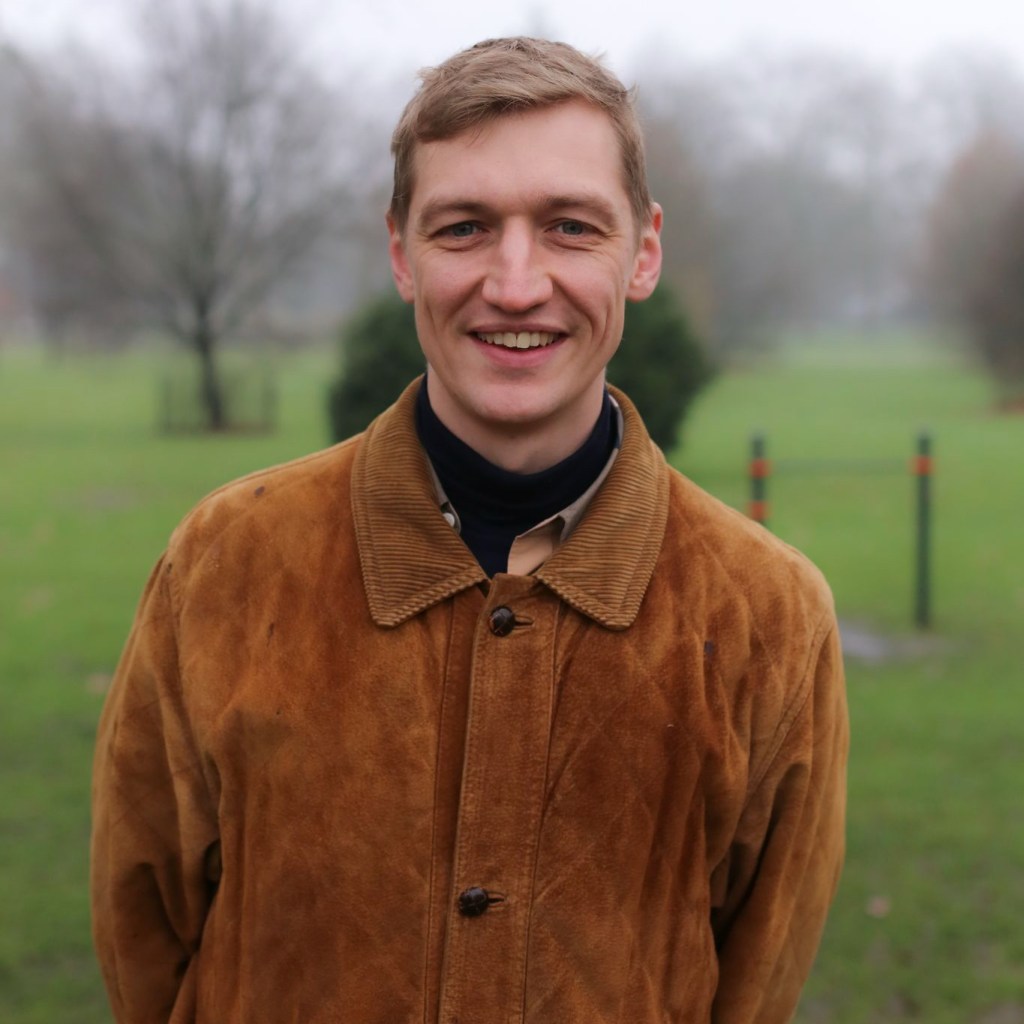
Patrick Galbraith’s writing has appeared in The Observer, The Spectator, The Times, and The Telegraph where he is Environment Editor. He formerly edited The Shooting Times and was columnist for Country Life and The Critic. Patrick’s first book, In Search of One Last Song, was called the most important book on the countryside in years. His second, Uncommon Ground: Rethinking our relationship with the Countryside, was published earlier in 2025 to very good reviews in almost every major newspaper. Patrick grew up in Scotland but lives near Snoring and recently married a girl from Walsingham.
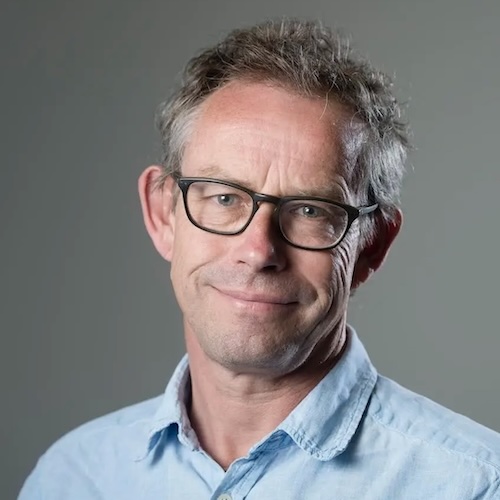
Nick Trend is an art historian, journalist and a Chief Culture Editor at the Daily Telegraph where he has also been travel editor for many years. As a former member of the curatorial staff at the National Gallery, he has written for nearly three decades about the world’s art treasures and produced guides to many of the greatest museums and art collections on the planet. Nick’s books about art include Art Firsts, What Art Can Tell Us About Love and Italy: In the Footsteps of the Great Artists. Nick has lived by the River Stiffkey in Wighton for 30 years. His favourite walk is the circuit around the lake at Holkham.
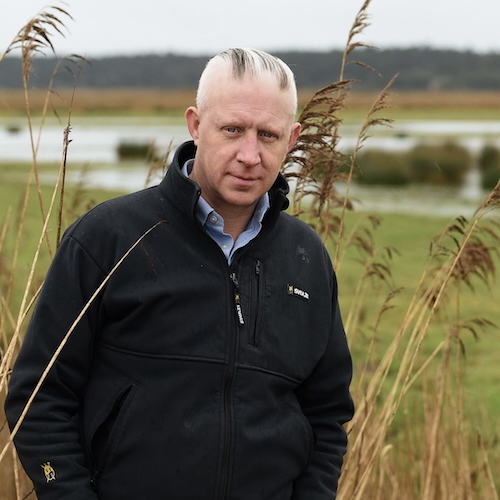
Jake Fiennes directs the largest privately owned nature reserve in the country and manages conservation across Holkham’s 25,000 acres. While most of his six siblings opted to work in the film world, Jake’s childhood love of nature grew into a 30-year career in restorative land management including roles at Knepp Castle and on the Raveningham Estate. Jake’s knowledge, experience and unapologetic passion for environmental farming are sought by key players from DEFRA to the King, and the RSPB to the National Trust. The buzz created by his 2022 book, Land Healer – has generated column inches in publications around the world.
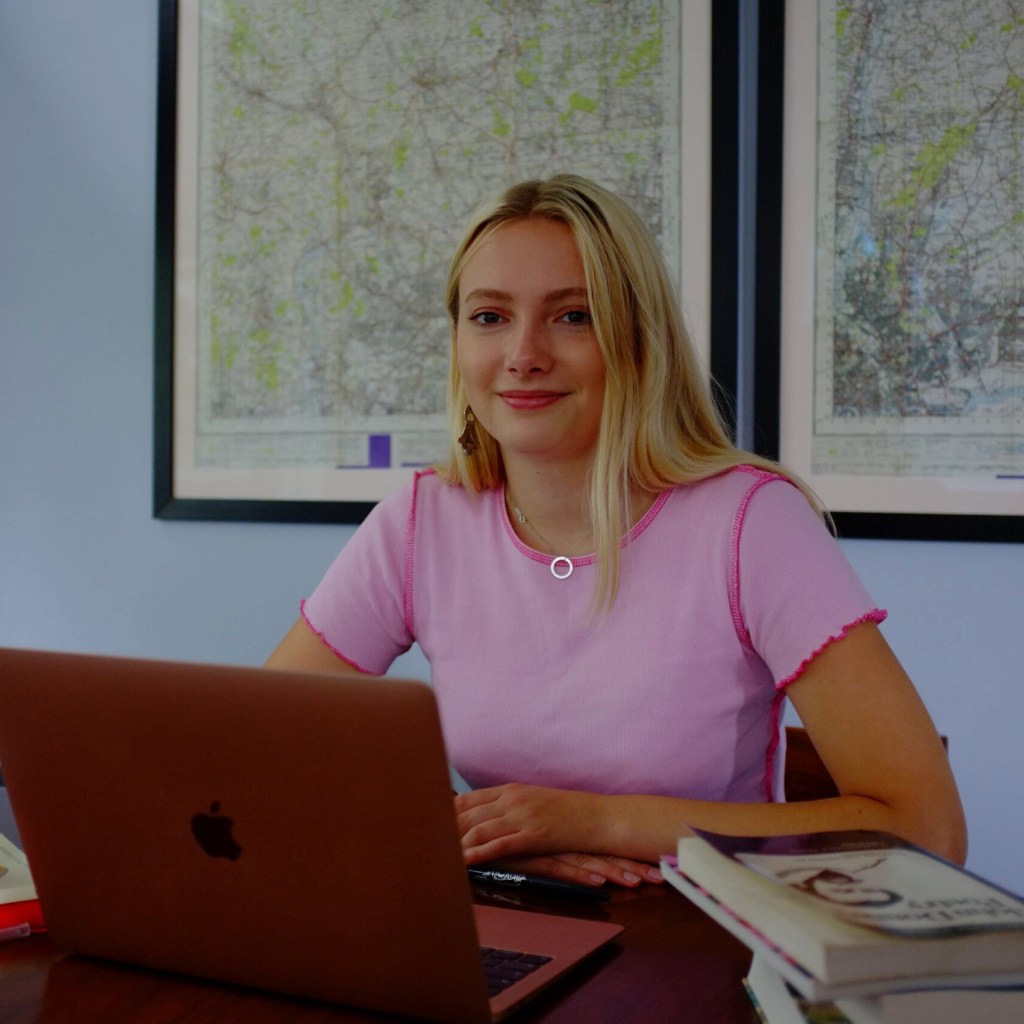
Iona Rangeley always wanted to be a writer and in her youth produced such classics as ‘Sam and the Pig’, ‘Adventures at Spider School’ and a diary in which she lied about being able to speak to the house’s ghosts. Eventually she went to Oxford to study English and kept on writing with the intention of “never having to get a real job”. Iona wrote Einstein the Penguin in her third year. Since then, two further Einstein books have followed and in summer 2025 she published Cecily Sawyer: How to Be A Spy a children’s novel about a young girl, spying and some very strange mice.
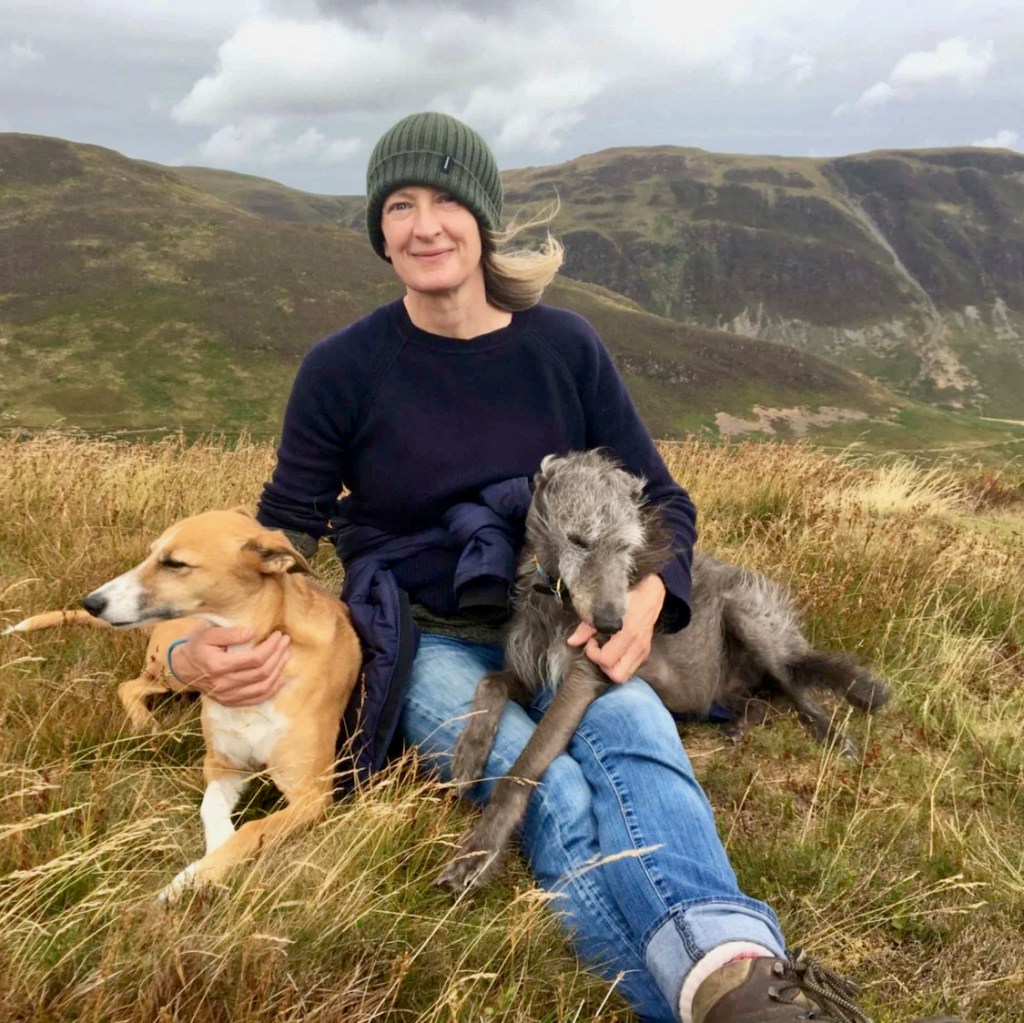
Tor Falcon studied at the Norwich School of Art and has exhibited in numerous group and solo exhibitions. Tor works in the landscape, with sketchpad and pastels, building bodies of work that become a visual narrative of place. She has published three books, Peddars Way, Rivers of Norfolk, and Sugar Beet Moon. The latest of these won the East Anglian Book Award for non-fiction. All were accompanied by exhibitions of the drawings. Tor’s original moonscapes will feature in our exhibition.
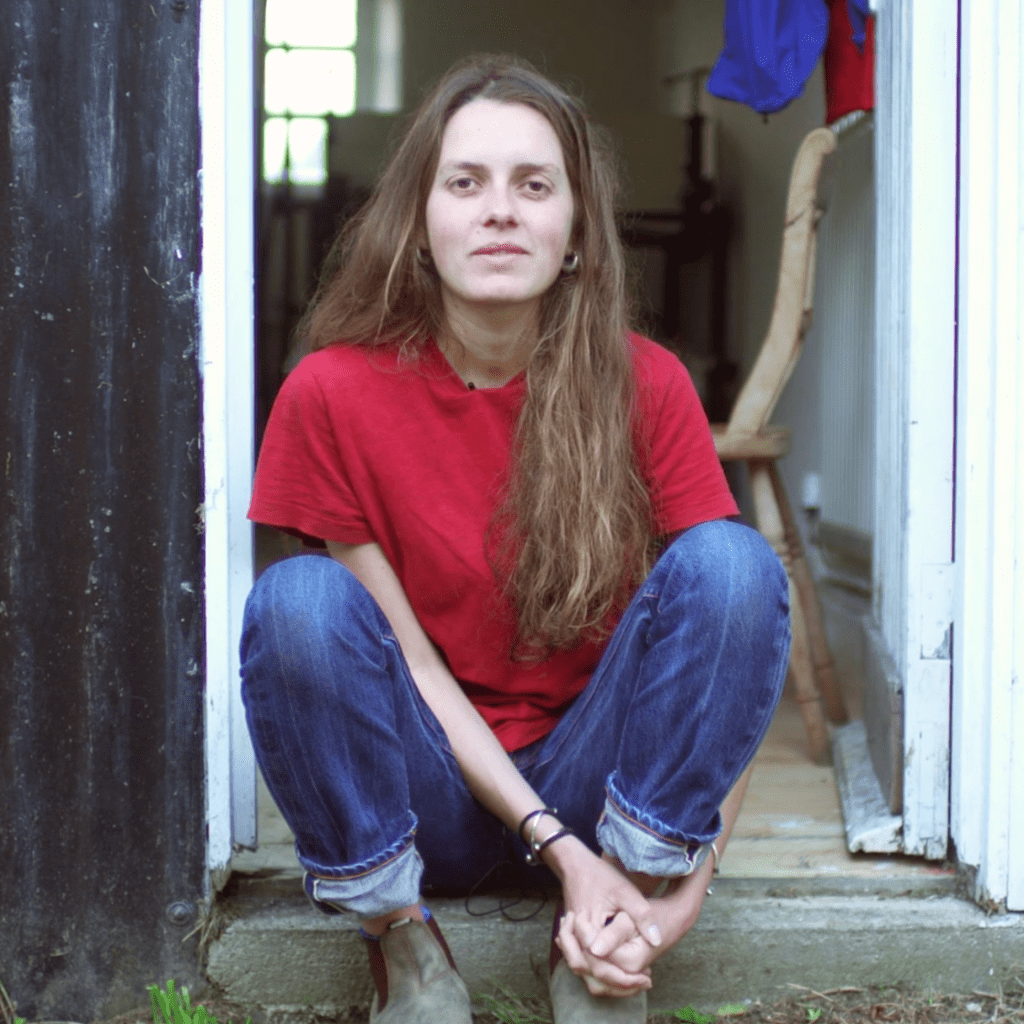
Beatrice Forstall studied illustration at Falmouth College of Art, specialising in dry-point engraving. Her work has always drawn upon the natural world, and her printmaking revolves around themes central to conservation. Beatrice’s book, The Book of Vanishing Species was published by Bloomsbury in 2022. Beatrice makes engravings using an intaglio press. The materials are fragile, so print runs are short, rarely more than twenty-five, and each final image varies slightly in colour and sometimes composition from the rest of the series, making it unique.
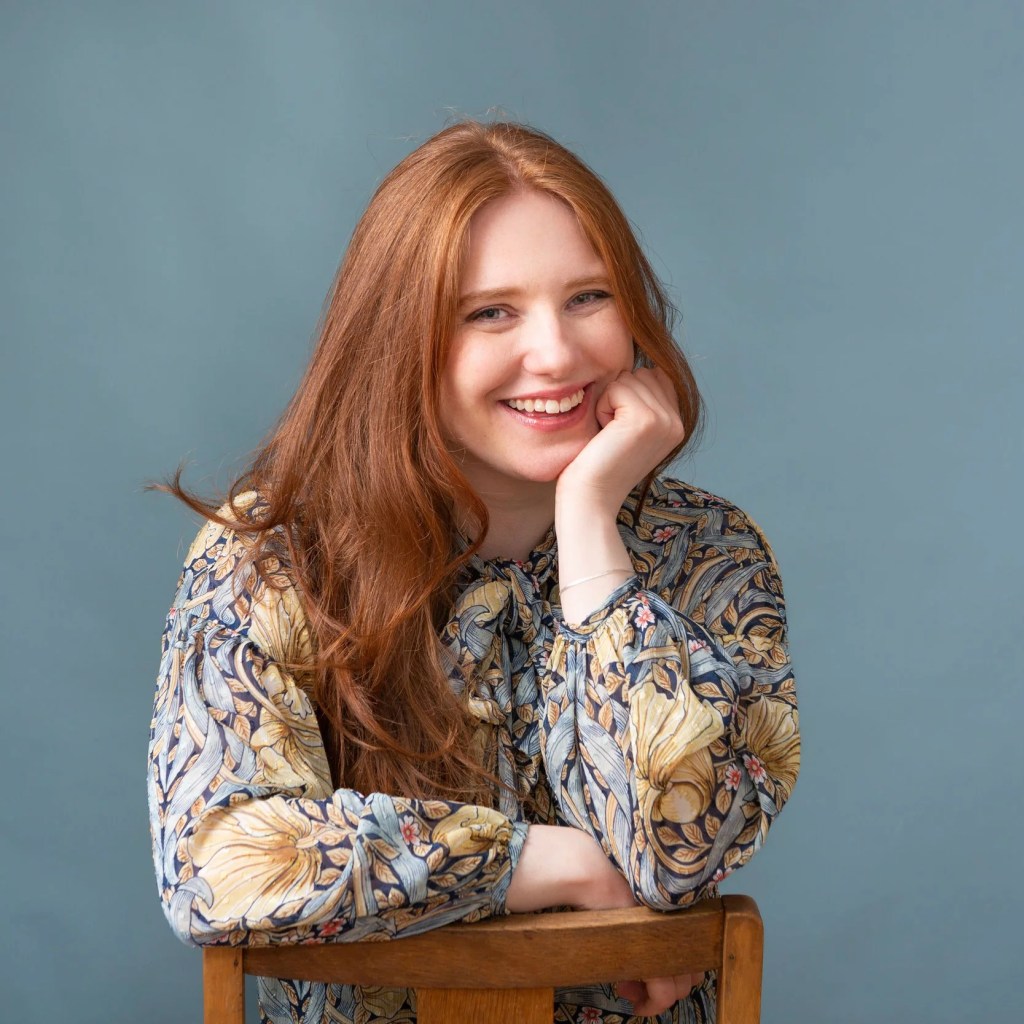
Natasha Hastings is the bestselling author of fantasy books for adults and children. Her debut novel, The Frost Fair (the first in her magical-historical trilogy, The Miraculous Sweetmakers), was Waterstones Children’s Book of the Month. The second in the trilogy – The Sea Queen – was published in September 2024, and became a #1 Amazon bestseller. Her debut regency romantasy for adults, How To Charm A Viscount, will be released in May 2026 under the name Natasha J. Hastings.
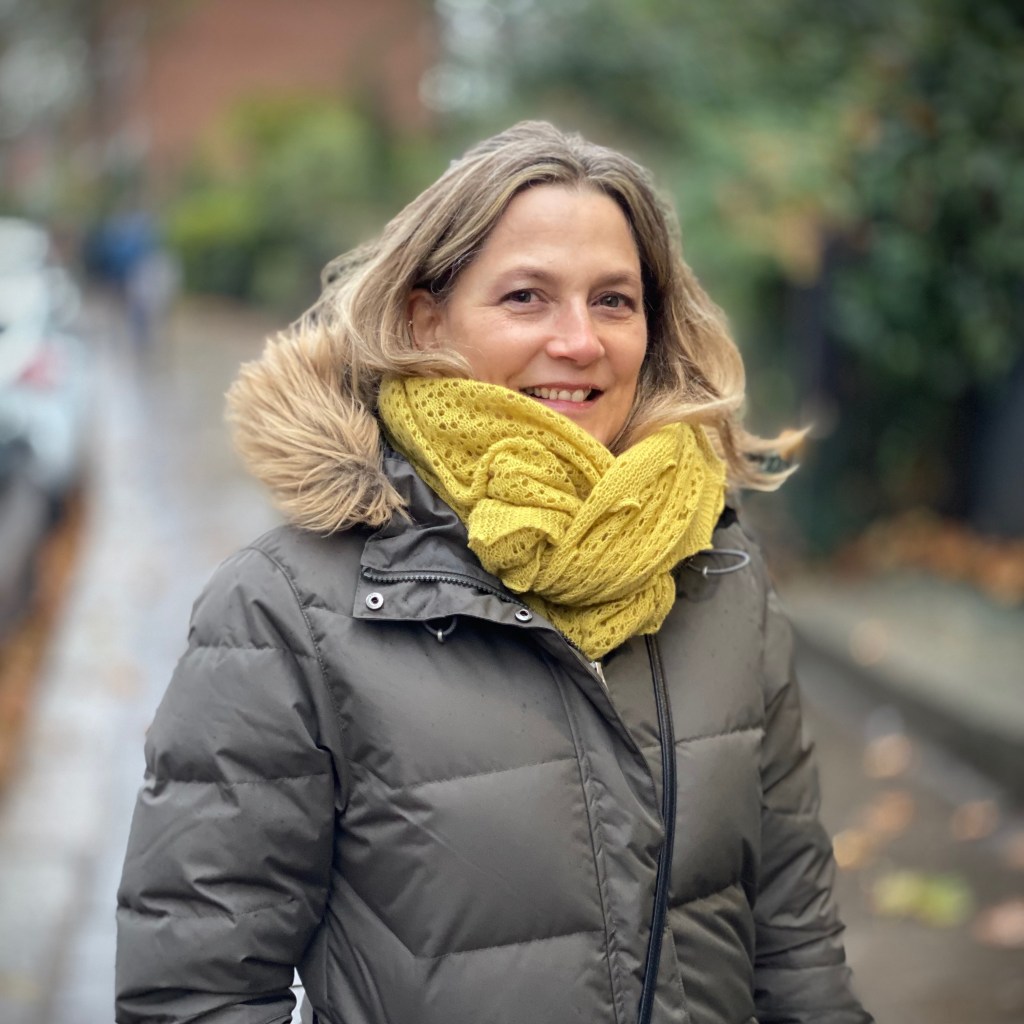
Roșie Reeve trained at the Ruskin School of Fine Art and started illustrating children’s books after her three children were born. Over 25 years she has illustrated dozens of books including Delilah Darling, Henry’s Holiday and her own titles Rory and the Monstersitter and When Tom Met Talulah. Recently she has been getting back to her first love of landscape painting, working quickly in gouache and pastel. She has spent the summer working on landscapes in London, Dorset and Norfolk.
 Literature & Landscape