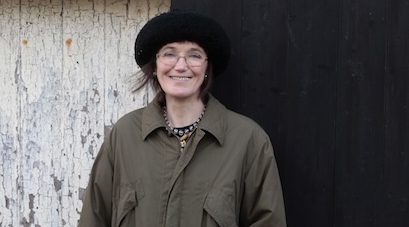
What is so unique about Katrina Porteous – winner (announced yesterday evening) of the prestigious Laurel Prize

She won!

The Laurel is the Poetry Society’s annual prize for environmental writing – poetry about nature and place, and we are thrilled that Katrina won – for her collection Rhizodont.

We love that Katrina…

• …embedded herself in a dwindling traditional fishing community near her grandparents’ house in Northumberland nearly 40 years ago. Katrina studied on a Harkness Fellowship in the USA, under Thom Gunn and Seamus Heaney – spending time in Native American Pueblo and Hopi communities in the South West, and in rural areas of the southern states. ‘An awareness’ – observes the Harkness blurb on Katrina – ‘of the universal importance of small-scale, sustainable local culture and ecology… has informed her work ever since’

• …turns complex scientific ideas into captivating poetry for non-scientists. Katrina’s collection Edge explored matter from quantum level – and the Large Hadron Collider – to the widest expanses of space

• …collaborates with artists and musicians such as Peter Zinovieff, Alistair Anderson and Julian May to produce performances about subjects from longshore drift to sea, sky and stars to the Uffington white horse to a journey beneath the ice of Antarctica. Read more about that lockdown project here

• …is President of the Northumbrian Language Society and the Coble and Keelboat Society and writes academic papers on the history of fishing and dialect research

• …named her latest book Rhizodont after the most recent ancestor we share with fish – a species that became extinct over 300 million years, found in the form of a 3-metre-long fossil off the Northumbrian coast. One reviewer said ‘Rhizodont does for the mining and fishing communities of post-Thatcher Northumberland what Heaney did for mid century Mid-Ulster, archiving the vast richness of its language, culture and work-lives. Porteous’ painterly eye for detail gives depth and resonance to the histories and dramas of her human and non-human subjects alike’ 

Or as Katrina explains herself: “For me, poetry is a kind of listening, and transmitting what I hear. I live on the coast, which constantly reminds me that human life is both vanishingly insignificant and astonishingly powerful. I want my poems to express that range of scale, to pass on what I’ve learnt from scientists and from my home communities – that small, local attachments can influence enormous planetary mechanisms, and that this brings hope. A multitude of voices, human and natural, imbue the poems in Rhizodont

Katrina will be reading from Rhizodont and talking to Patrick Galbraith on Sunday 5th October at Literature and Landscape. Please book here to join them
Creativity and mental health

It seems rather gloomy to describe creativity in medical terms. We’ve been hearing such a lot about mental health for a while now that – on the good side – we hope we now have an environment in which people can feel freer and more confident to open up about their secret struggles without worrying they might expose themselves to judgement and alienation. Sometimes, on the other hand, it can seem disconcertingly as if half the population feels overwhelmed and isolated by their own thoughts, is constantly checking its own state of mind, and sliding downhill.

This where creativity is so transformative. It can be as simple as reading a book – itself a kind of creativity in which your mind gets to work building believable worlds out of lines of letters on a page. Creativity takes you out of yourself by giving you total focus on something else. Your attention is directed intensely outwards – at whatever you’re observing and what you’re creating, channelling your conscious and subconscious via a process which translates the subject into the object. You might be hunting for an image to photograph, composing and timing your shot; scrutinising the soundscape for some essence you can turn into words or music; trying to recreate in designs and earthworks a lost marsh landscape or river; controlling your hands and eyes to steadily apply decorative marks on a sheet of paper – all instead of cycling through thoughts that take you nowhere. Once you’ve finished your work you have a new and separate thing that stands for itself, that you can share. This is hard to beat.

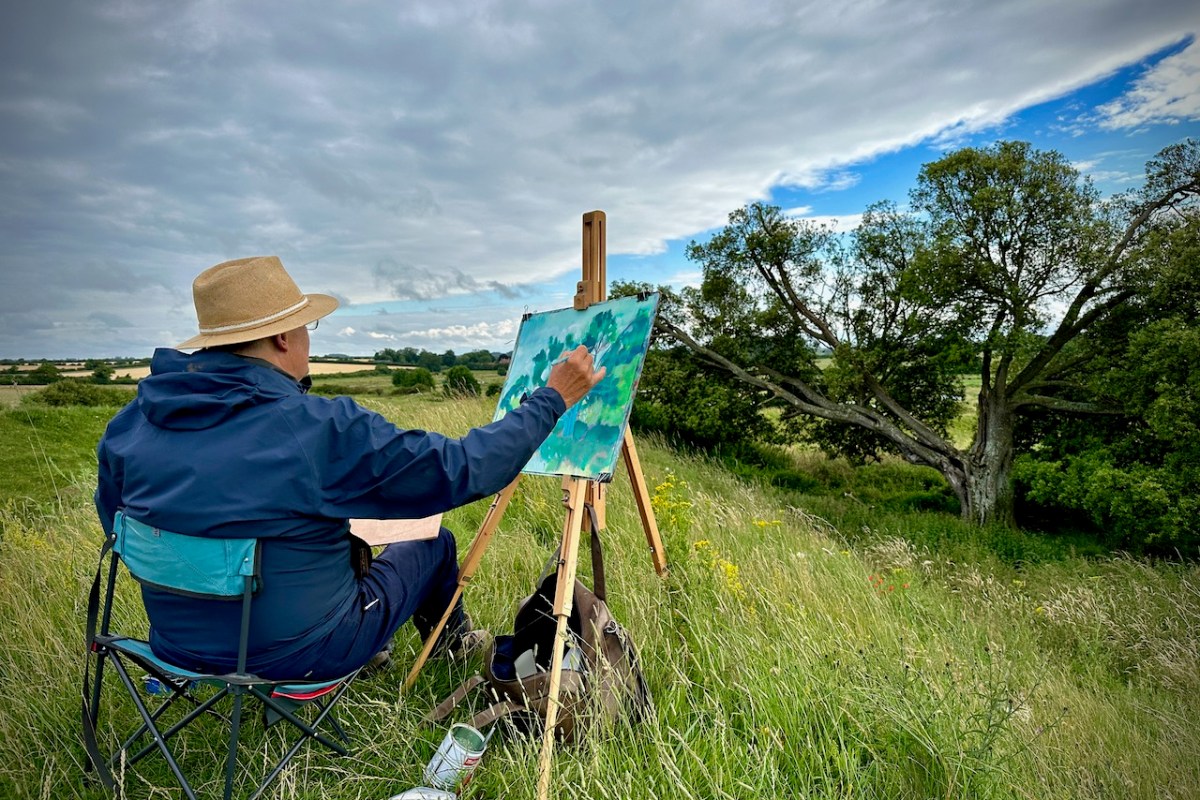
We included two workshops in our programme – one for writing poetry and one for drawing with sticks. John Ruskin said that you never really connect with a place fully until you’ve tried to capture it in lines, words, forms or sounds. When you describe it you see it properly. We think this is an excellent point and we invite fans of landscape to try it.

Last term a teacher at a local school mentioned that many of her pupils love creative writing. Over a school career, as the curriculum gets busier and exams appear on the horizon the space that once existed for inventing poetry disappears. In later life the challenges of managing your responsibilities and keeping yourself and family going make it even harder to find the time to write or paint or even to commit to the potential embarrassment of starting all over again.

Why not consider picking up a stick or a pen on Saturday morning and having a go? It will be a lot of fun, you will almost certainly surprise yourself, and you are very unlikely to regret it.

James Cockburn, who will be leading the workshop on drawing with sticks, draws or paints every day. In the blurb for this weekend’s exhibition this is how he summarised his artistic approach: ‘Be positive –  life is worth living. See each work as a gift – don’t leave anything out. Bring something new to the party – don’t repeat yourself.’

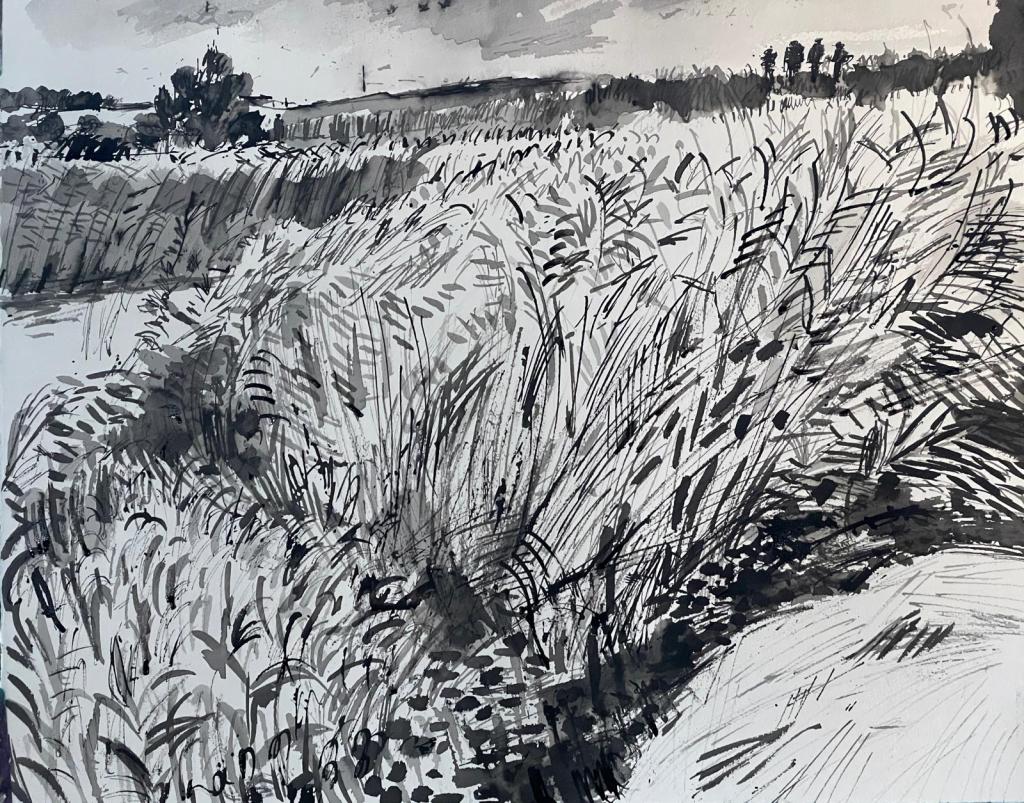
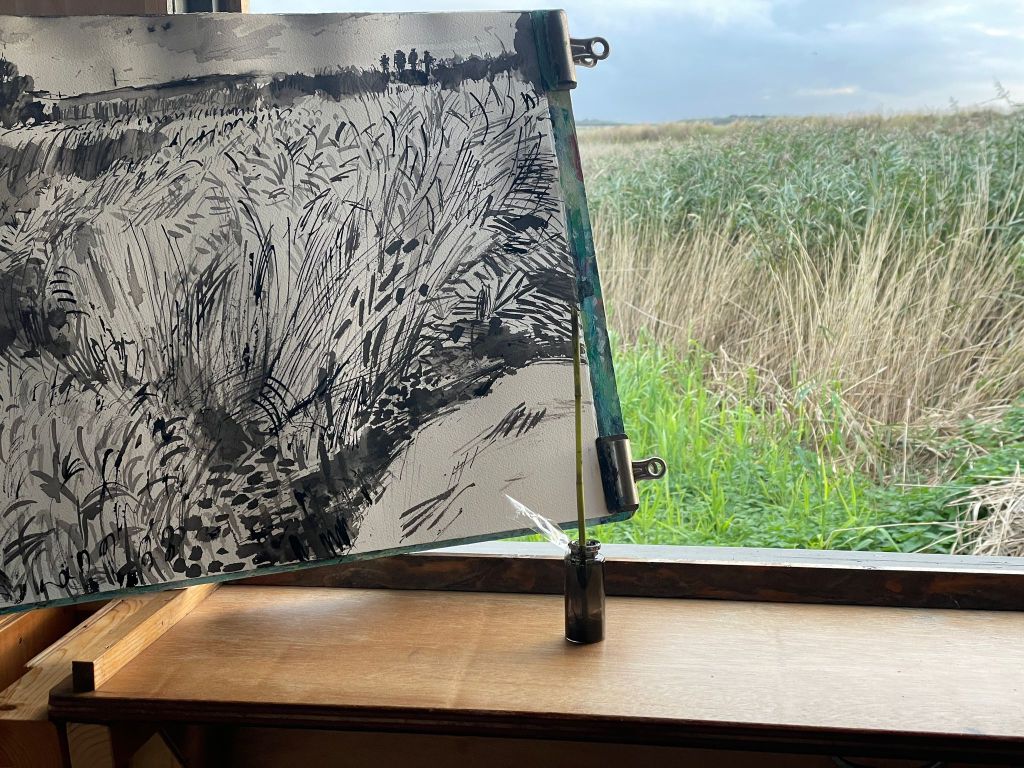
After the rain had stopped this afternoon, James created this picture of the reed beds at RSPB Titchwell seen from the west-end first hide. He used reeds dipped in Indian ink.

Schools’ poetry competition 2024

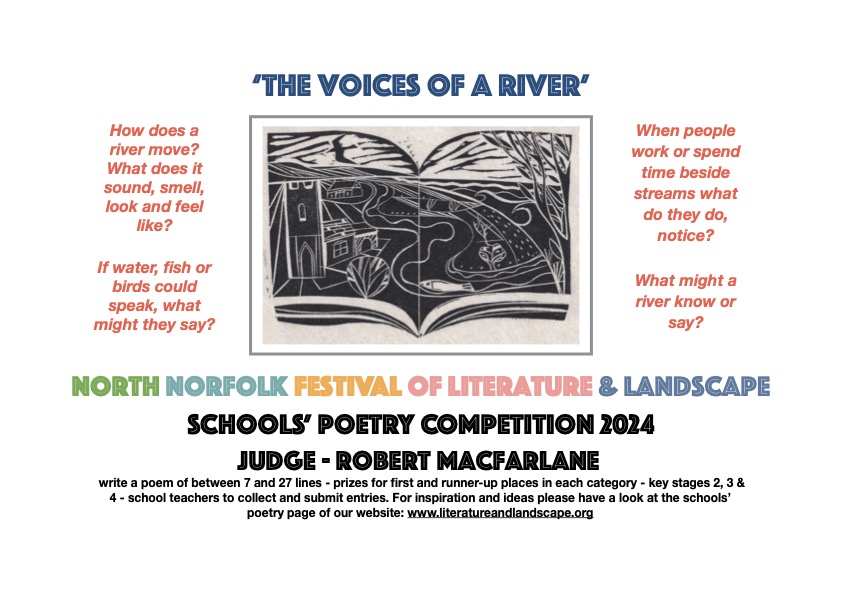
Our poetry competition is in full swing – open to all schools in North Norfolk. We want to hear what our local children have to say about the landscape and wildlife which surround them in this rural coastal strip.

Here is our invitation:

The competition started when our festival was called Poetry-next-the-sea back in the 1990s and has run for a long time, kindly administrated by volunteers like Tim Fisher (who is running our nature workshops this year for schools and the general public). This year we are very excited to be able to announce that global superstar of nature writing and Cambridge professor of English, Robert Macfarlane will be judging the poems.

But there isn’t long to go. Entries must be in by the final minute of 27th September.

Our theme this year is ‘the voices of a river’ – inspired by Alice Oswald’s poetry and in particular her poem Dart – a poem in one whole book which follows a river in Devon from its source on the moors to its mouth, with the river speaking as it moves and changes through its course, using its own voice and the voices of people who live and work in or beside it.

You’ll find our rules here, photos, a summary and some inspiring river images here and a whole page of river poems here to read and think about.

We are all looking forward to reading your poetry.

Remember: 27th of September is the deadline!

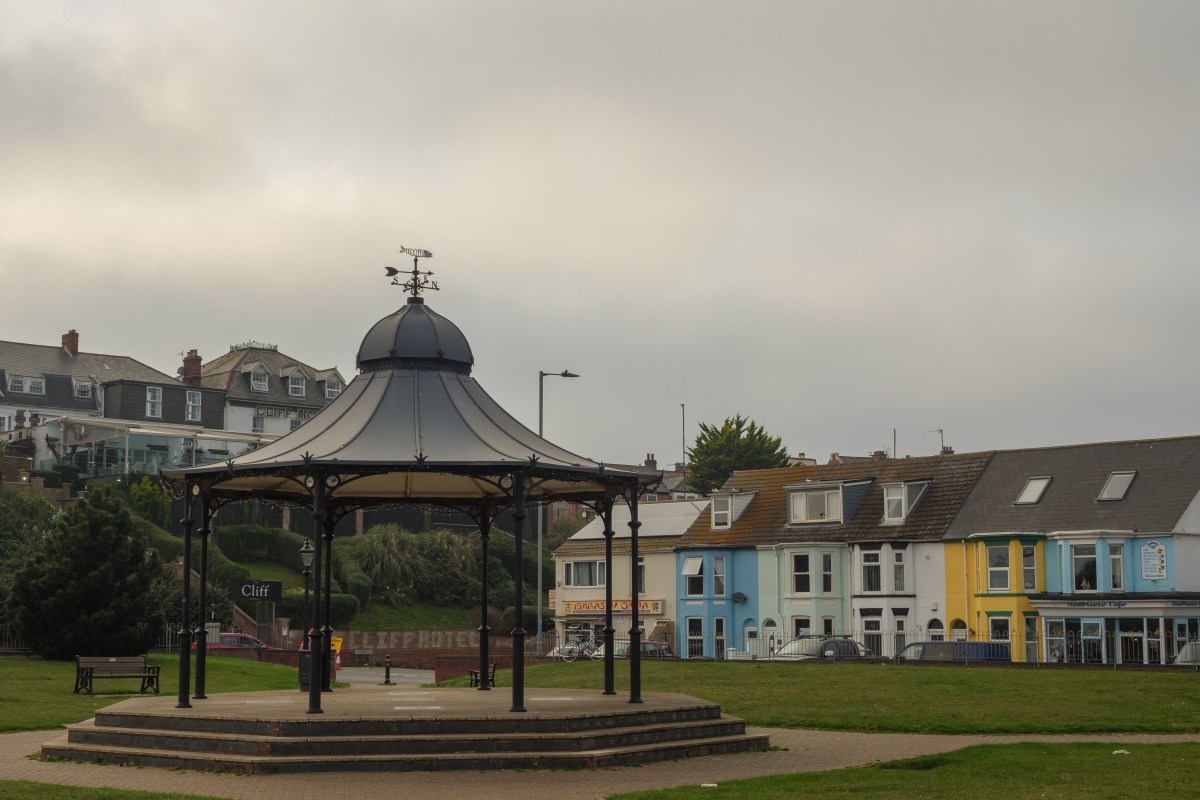
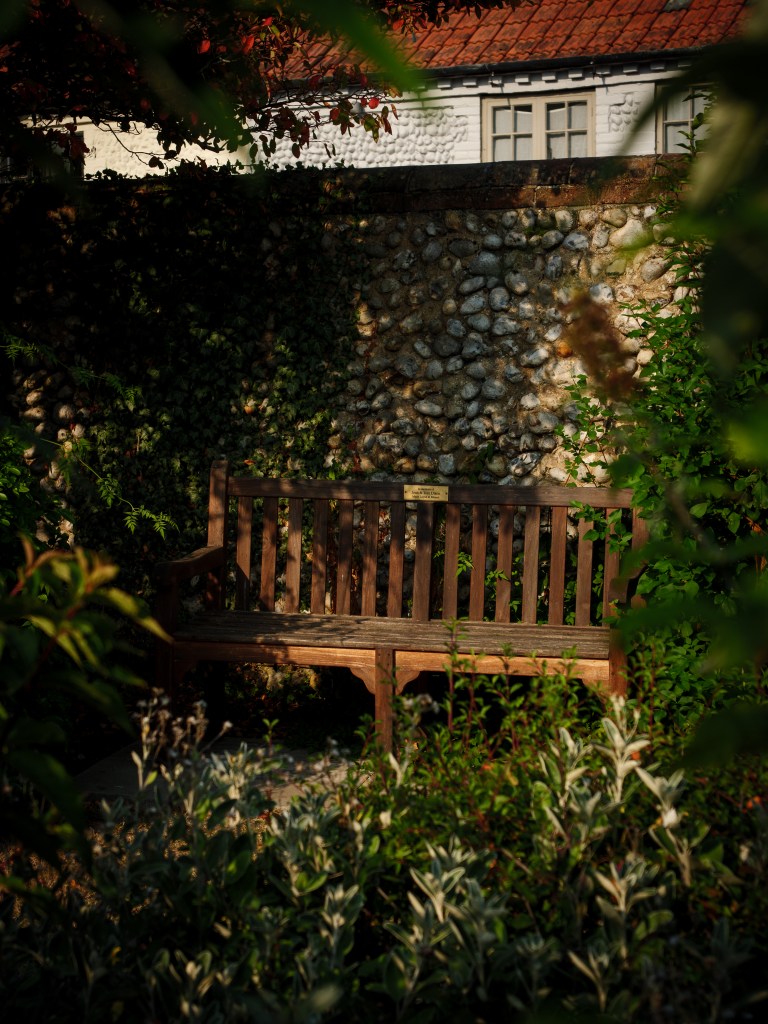
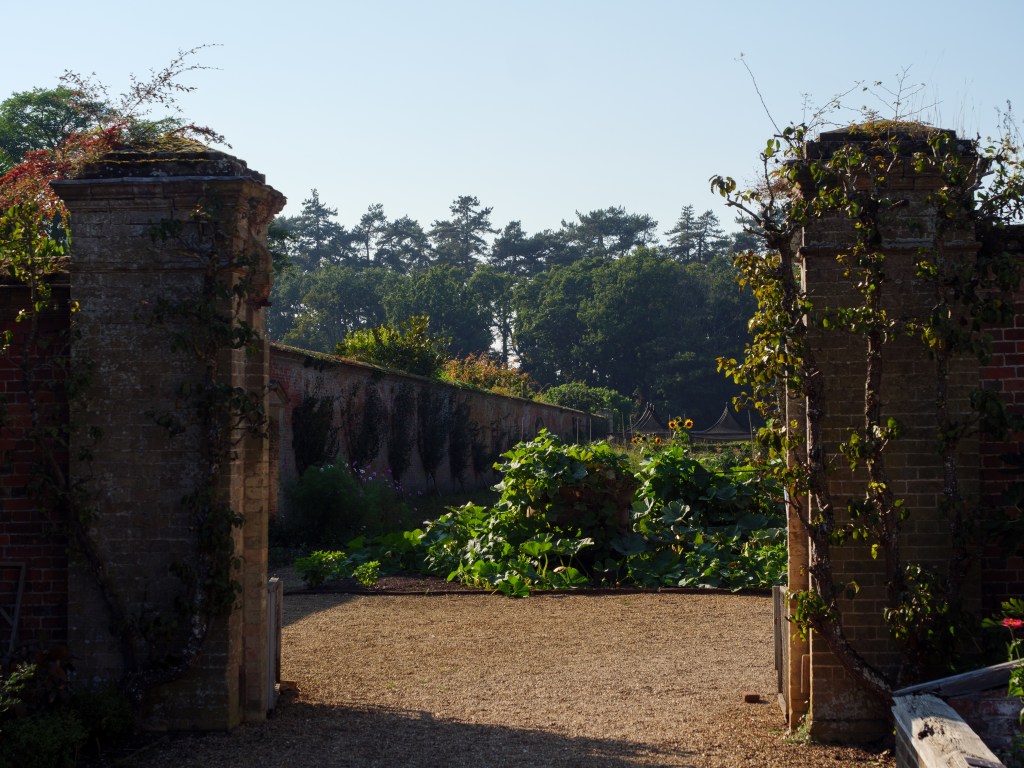
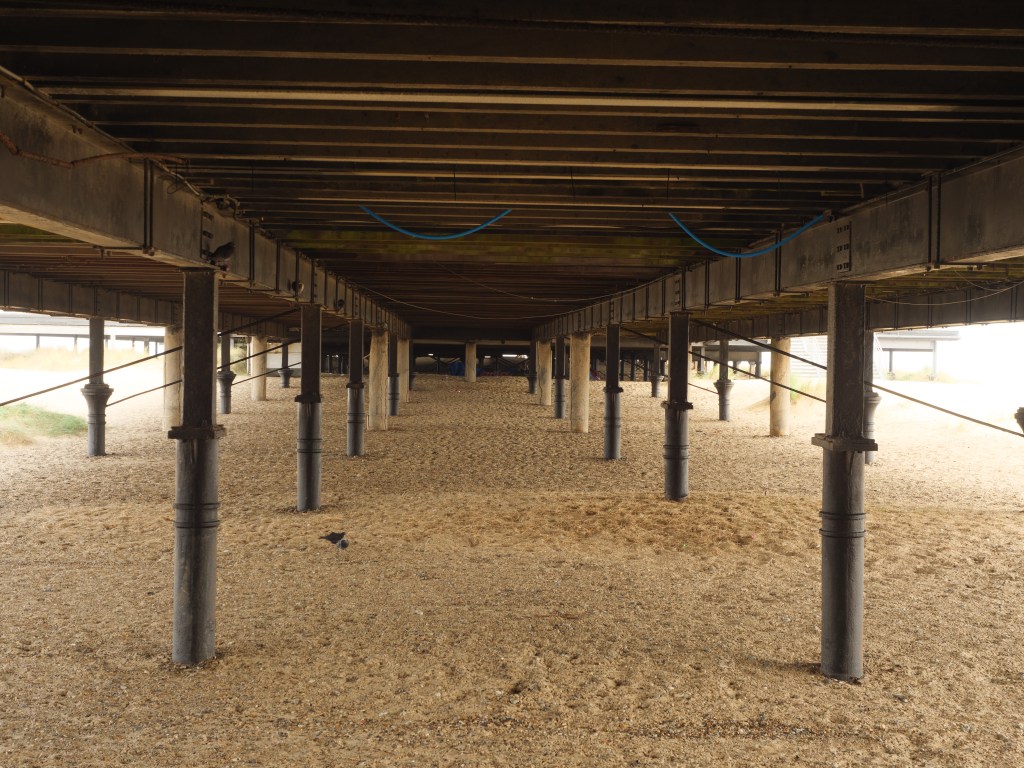
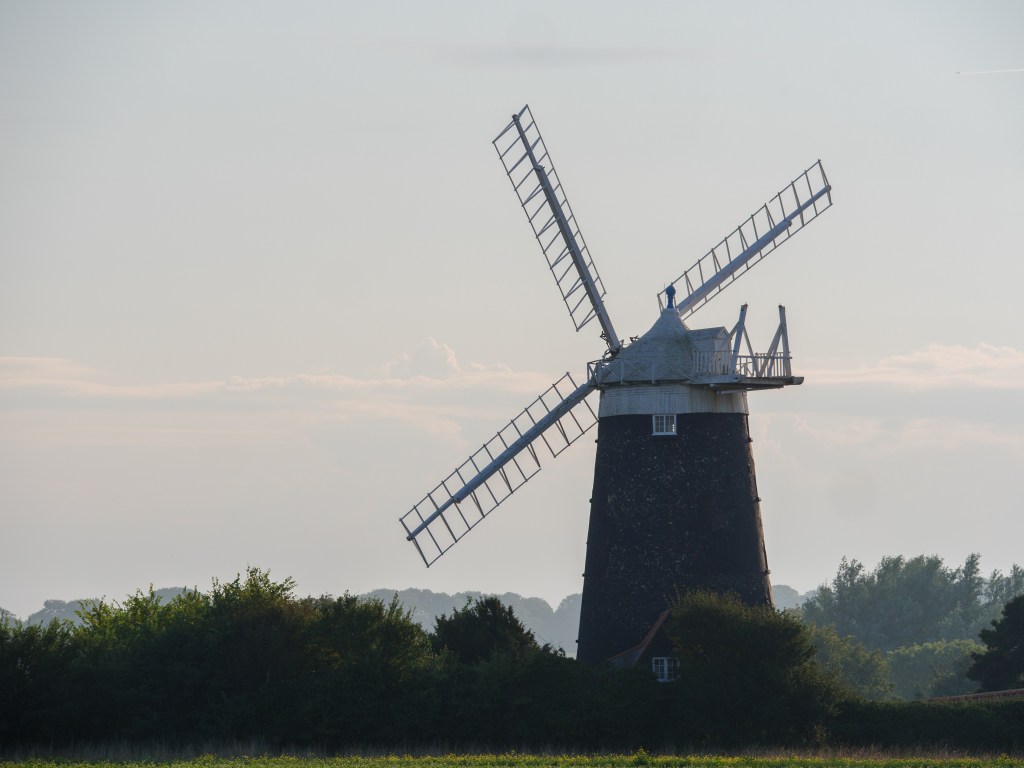
This would be the perfect setting for…

….a grim discovery? some significant item lost? a betrayal witnessed? a secret tryst? inner turmoil? a reconciliation?

Which dramatic moment would you locate in which of these settings?

Photographs © Patrick Rangeley

What is it about a place? It might be vast and open – a marsh, clifftop or expanse of sea – or small and close – a seat by a window, a gap in a fence, a locked box under stairs. Spaces can hold powerful identities. Did something significant happen here once – or does this spot somehow just suggest, or even invite, a certain possible turn of events?

Patrick Rangeley has driven round North Norfolk with a list of some of the settings used in the novels of Rachel Hore and Henry Sutton and taken the photographs on this post (more of which you will see in our first big literary event on Friday 4th October at 6.30). These photographs may or may not be anything like what Henry or Rachel imagined when they built the worlds of their romances, histories, literary fictions and crime novels. (We look forward to hearing!) They may not be what you might imagine when buried in their stories and playing out the descriptions and dramas in the private space of your own mind. But who is right?

And what is it about place?

Rachel Hore has sold over a million copies of her novels which bridge the gap between past and present. As two stories unfold, one in our time and one in the past, a trauma is unburied, confronted and resolved. Henry Sutton, who is Norfolk born and raised, turned his dark, playful wit twenty years ago from literary fiction to noir crime, and now writes about and lectures in crime writing at UEA. We invited them both to Wells Maltings next Friday not only because they are brilliant writers and entertaining speakers but because they have both set stories around here and we want to know…

….do a crime writer and a historical novelist see places differently or the same?

There are still spaces left for their talk and readings at 6.30pm on Friday 4th October. Please join us!