Storm Amy visits Literature & Landscape

With six outdoor events from a boat trip to walks through woods or over a salt marsh to – literally – a walk in the park – we watched our plans teetering as Storm Amy and the festival weekend closed in, locked in embrace.

Last year had been all sunshine and gloriously filmic early autumn light that made everything glow. Too easy. This year we were in the weather’s sights.

Jake Fiennes flagged it up first – nearly a week ahead. But that was a week ahead. Forecasts exaggerate. Things looked fine on Thursday.

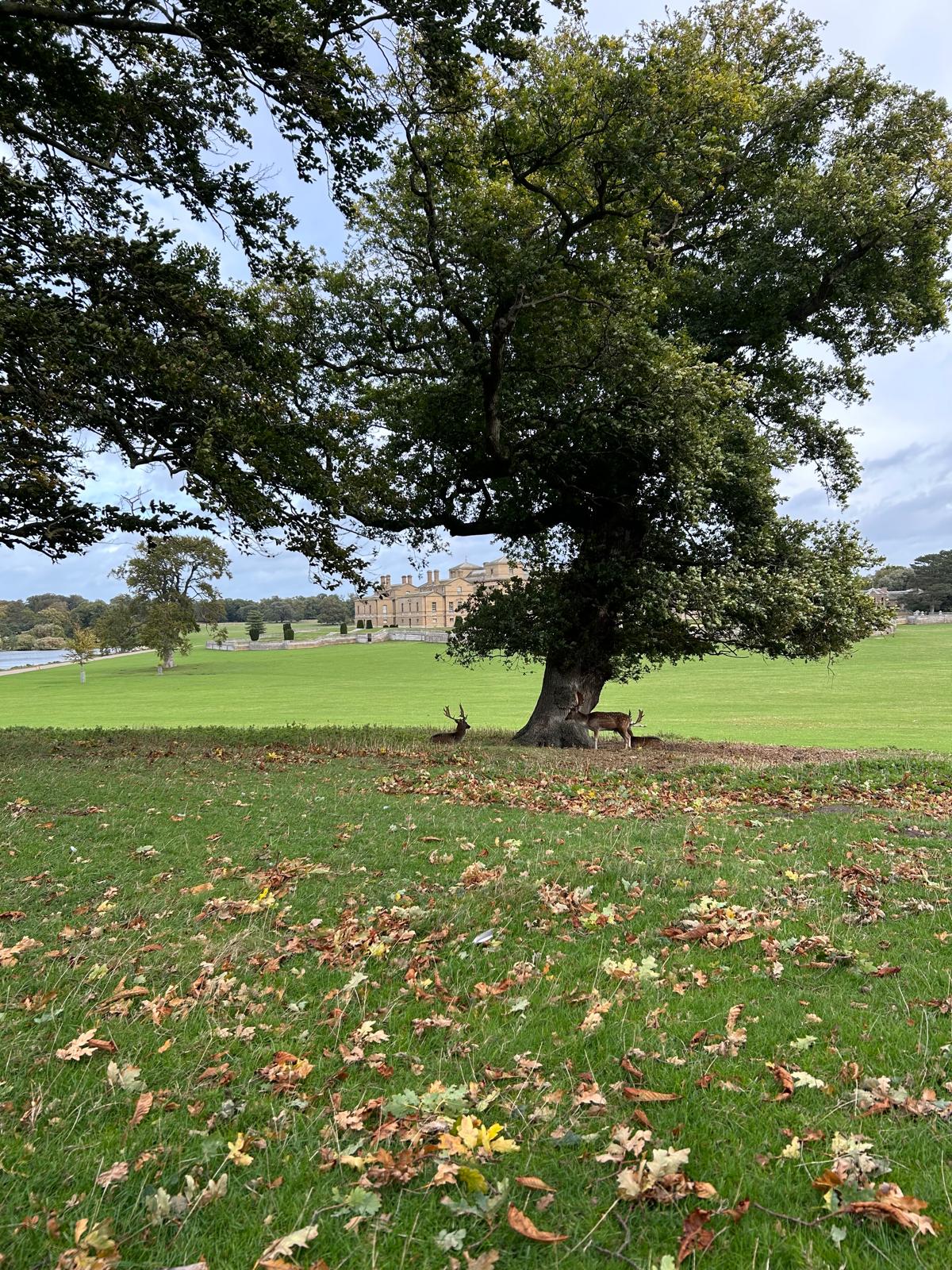
Day one dawned with an email – 90 primary school children… not safe to walk them up the road in these conditions… could we send our author down instead? 9am Carl Sayer and Jonah Tosney regretfully cancelled the first walk of the weekend – beavers in the Glaven Valley. Beavers take no account while beavering away undermining trees for the risks to those who might find themselves beneath those trees in high winds. Holkham Park would have to close on Saturday – Nick Trend’s walk would be just a talk.

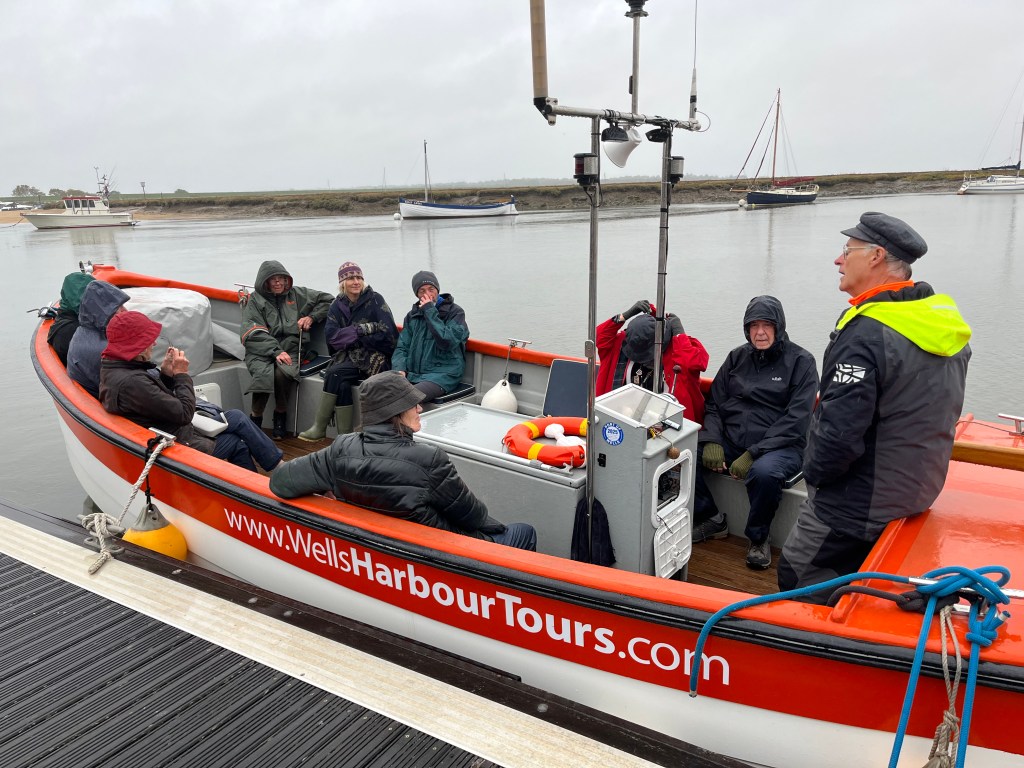
With the Friday afternoon boat trip scheduled to launch our programme rain clouds were thickening over the channel. Would Nick Groom give a red light? Not till everyone is on the quay, he said. Passengers gathered, dressed for the weather, looked at one another – and climbed on board. Things began to turn.
While those who preferred to keep dry sat down to enjoy a film in the Maltings, our cancelled beaver walk became a new River Glaven walk with Charles R-W.
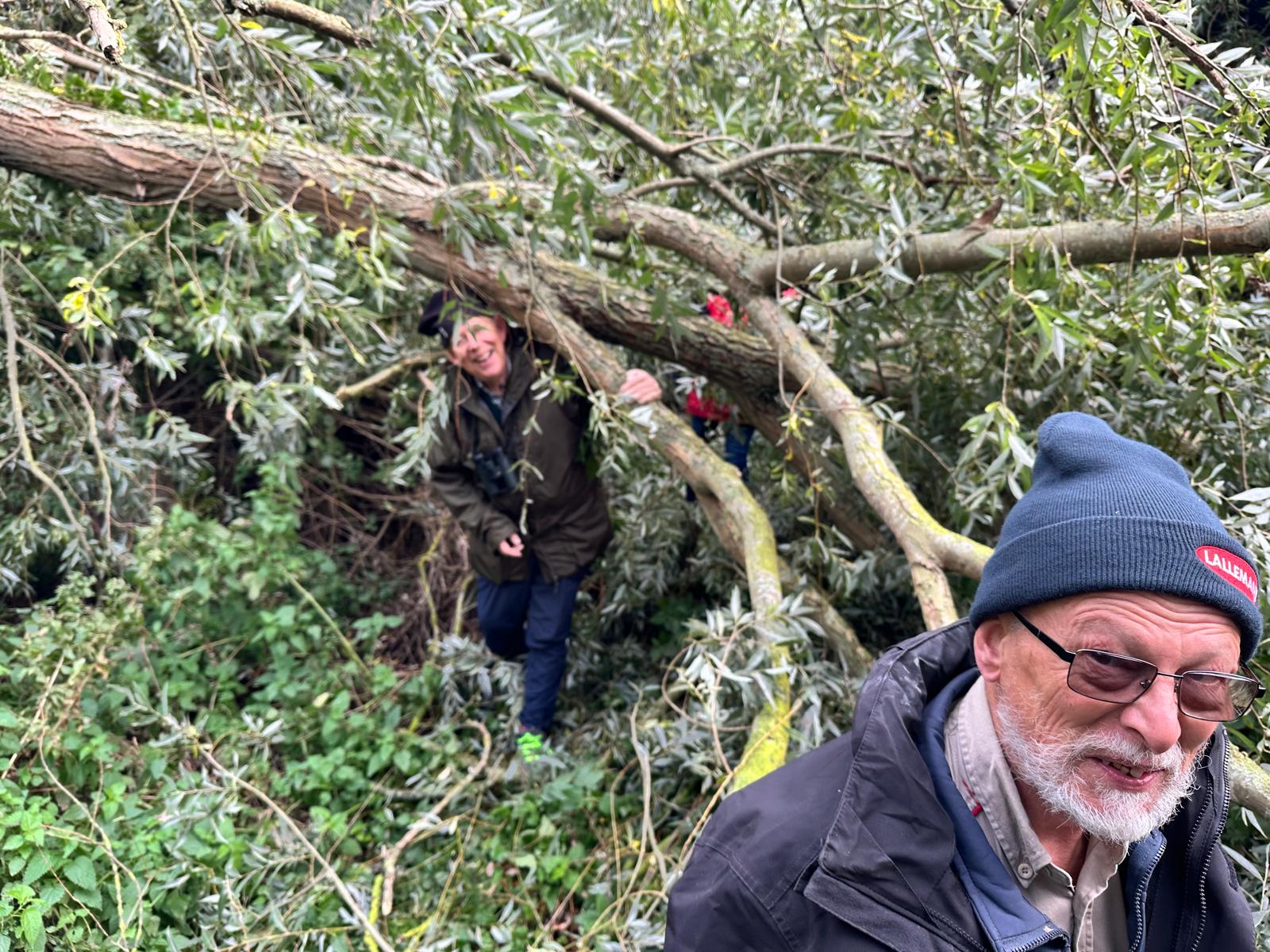
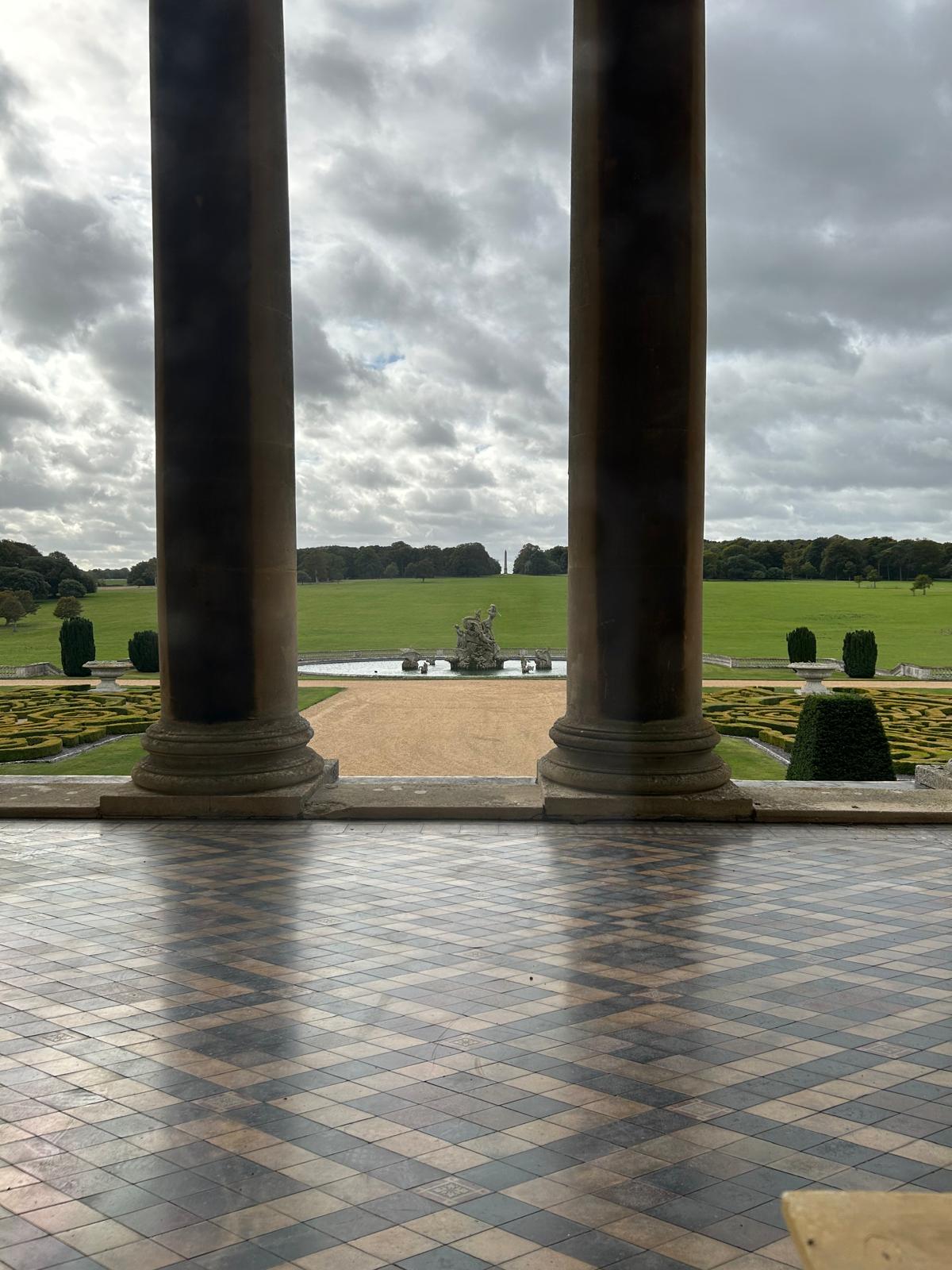
Holkham walkers got to go outside after all, led by their host
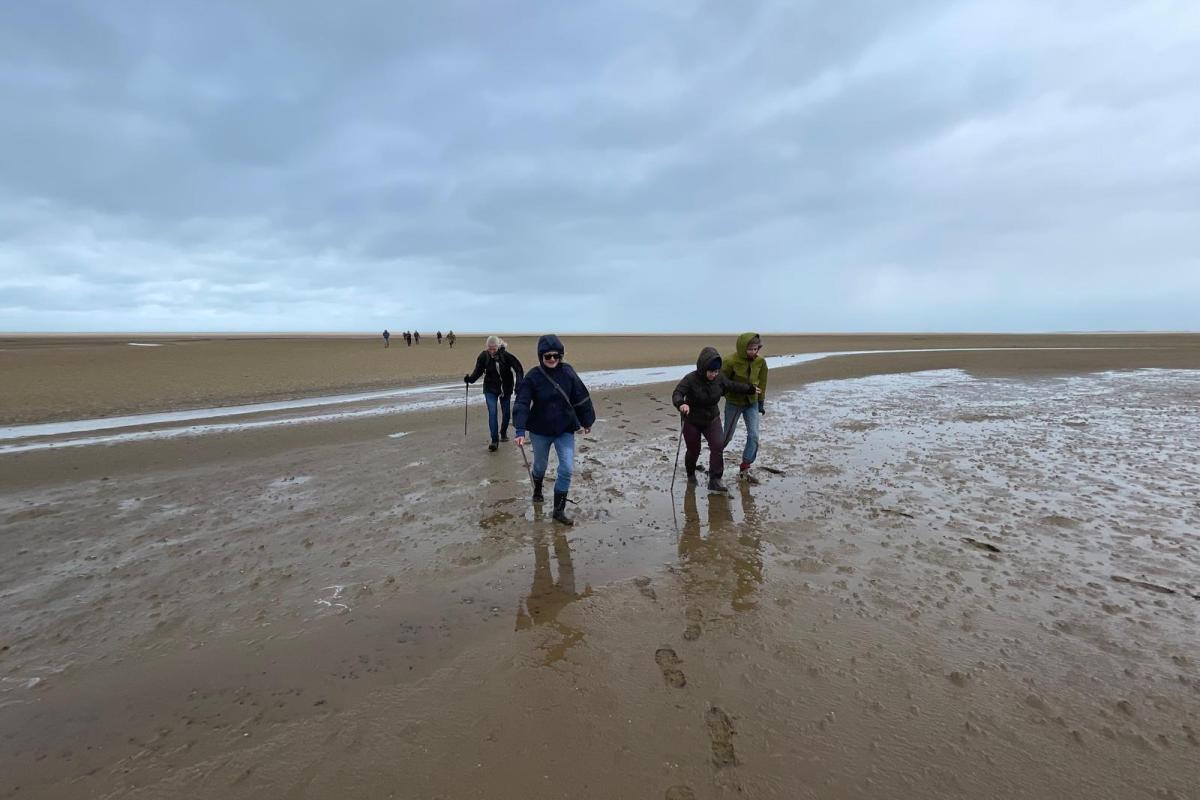
Intrepid salt-marsh walkers headed out with Jake, unperturbed, for a two-hour walk that became a three hour expedition from which they returned exhilarated.

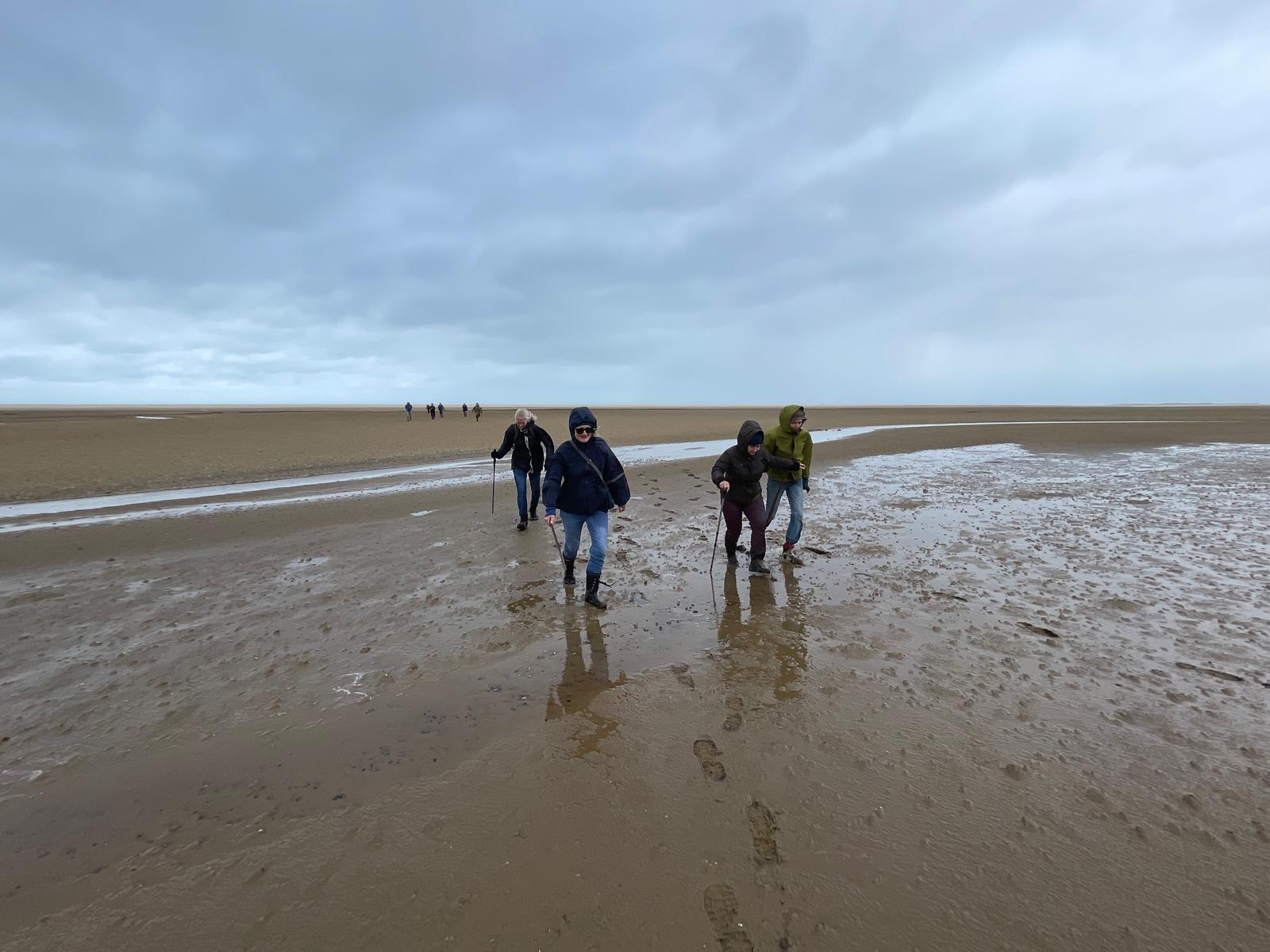
You can’t embrace landscape or get close to nature without experiencing the weather in all its moods. And on the north coast of Norfolk there is as they say no such thing as bad weather, only bad clothing.

Final result:

Festival 6: Storm Amy 0

Thank you, Patience, for your response below to this post:

I was one of the ‘intrepid’ walkers with Jake and if anything storm Amy only enhanced the experience! The whole weekend was great. Fresh air, fun, life enhancing and much food for thought – all in beautiful Norfolk. Thank you so much.
What was our place like before all of this?

Tibor Fischer’s short story ‘Crushed Mexican Spiders’ follows a young woman living in Brixton, London, who returns to her flat to find her key no longer works and that someone else is inside living her life. You never find out what is going on, but her sense of displacement is overwhelming, and sometimes it can feel like a lesser version of that when you consider the past – all those people who lived in your house or street or village once, who owned your world and would not recognise you.

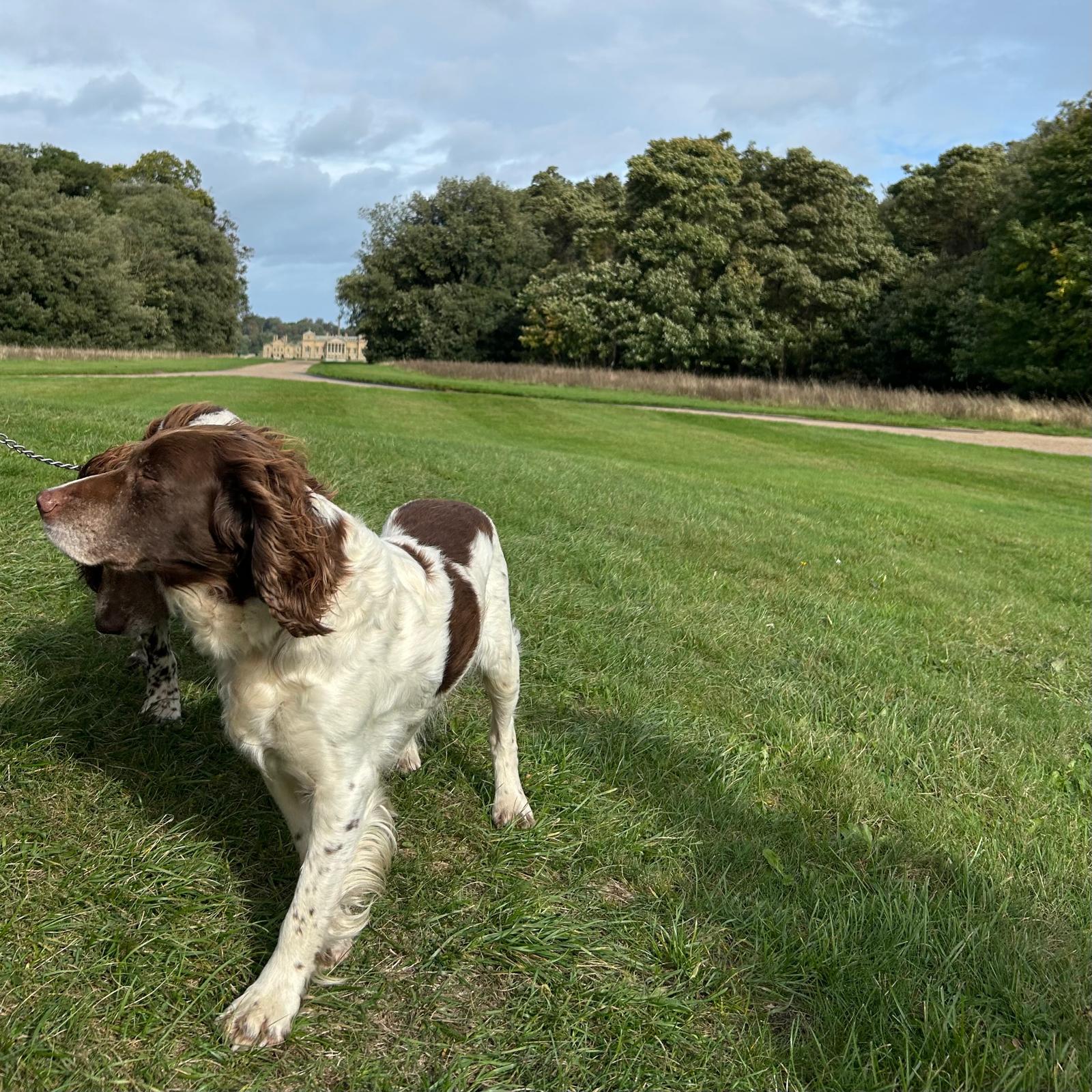
Sometimes when I walk the dog on Barrow Common – a ridge that rises like a rampart behind the sand-filled harbours of North Norfolk – I imagine how terrifying it must have been for people essentially no different from us to look out over their familiar sea view one day at the end of the 8th century and watch the first wave of Viking longships approaching.

The Anglo-Saxons had themselves moved in and driven the local Celts westward following the retreat of Rome four centuries earlier – Branodunum and hundreds of other signs and structures of Roman occupation would still have been standing. Slowly the languages of these invading tribes coalesced into a single form that King Alfred was pleased to call English, and that we call Old English. The reason why we still have any of it now is because of scribes like the ones Alfred commissioned to create his library in Wessex, and thanks to whoever created the Exeter Book by inscribing the best of Old English poetry at the end of the 10th century.

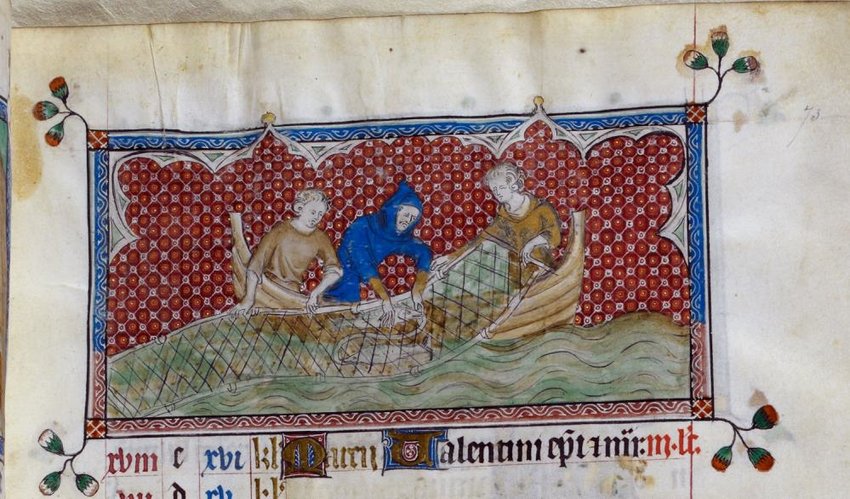
Time doesn’t only separate. Unlike buildings and possessions which can be destroyed and stolen, the best phrases and stories are owned by none and stand the ravages of centuries longer than stone fortresses. They carry forward the soft essential experiences of living – preoccupations, loves and fears of the people who owned and shaped our language before us, walked where we walk, dug Norfolk soil, fished our coast and rivers, put up with British weather.

The Norfolk writer L.P. Hartley’s novel The Go-Between immortalised the peculiar divisiveness of time passing in his ironically immortal opening line: ‘The past is another country’.

I am looking forward to travelling there with Matthew Hollis and Bernard O’Donoghue on Sunday, and with Julia Blackburn on Saturday.