With tickets now selling fast for 2025, here’s a quick reminder of what we did last year…. please take a look.
From Friday 3rd to Sunday 5th October we have more great walks and talks for you, more discussions, another boat trip and an exhibition – all celebrating nature, the arts and our unique, amazing and precious landscape.
Please take a look at our events page, press the purchasing button beside any event you would like to come along to and you will be linked through to our payment page on the Wells Maltings site.
We would love you to come and join us and fulfil the last and most important role – being our audience.
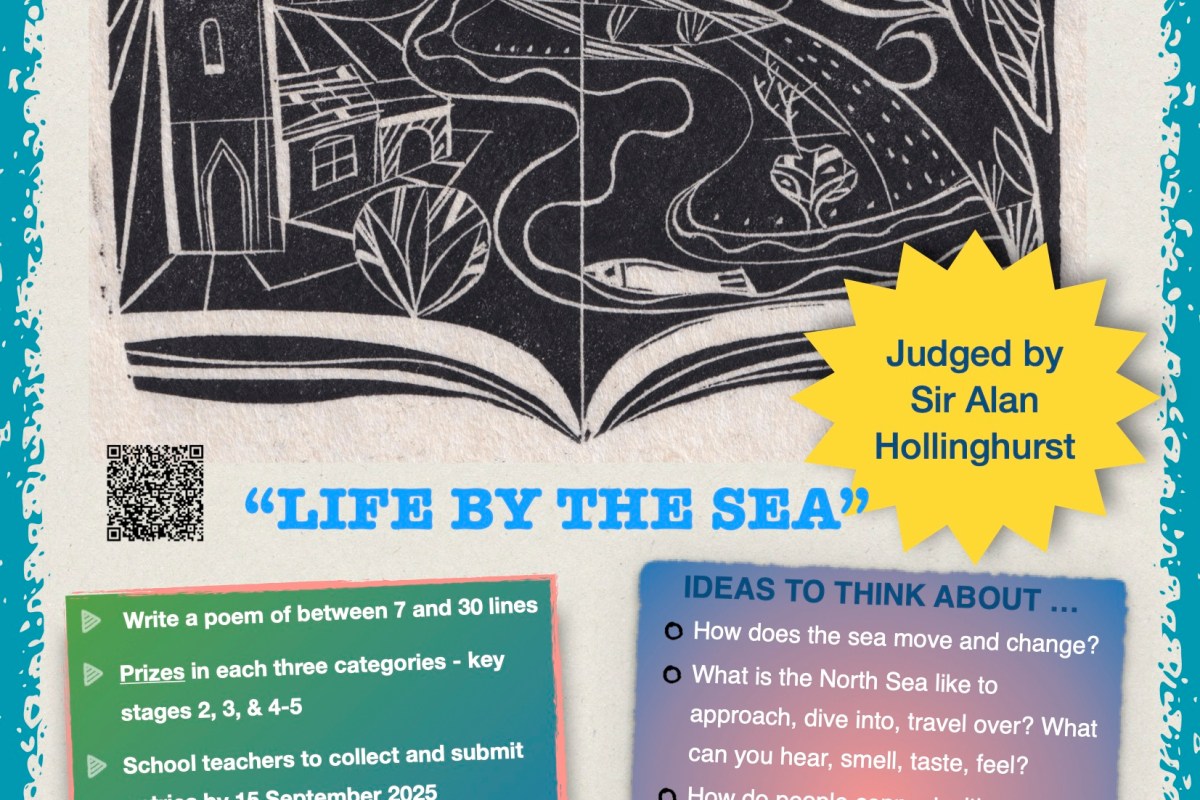
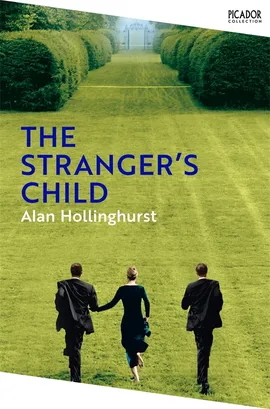
Our theme for this year is Life by the Sea and we are absolutely delighted that the wonderful Sir Alan Hollinghurst has agreed to be our judge.
The deadline has been changed to 15th September so that schools can choose between an end-of-year poetry-writing project in the last fortnight of the summer term or doing the same thing in the first fortnight of the autumn term.
In the 250th anniversary year of Jane Austen’s birth, a very special writer is coming to North Norfolk….
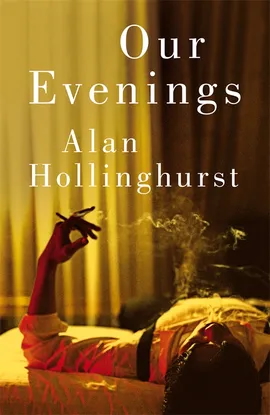
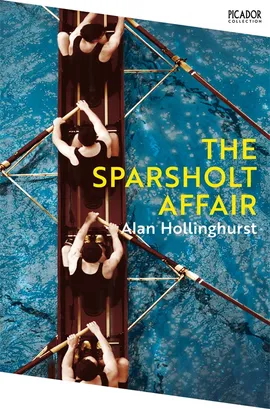
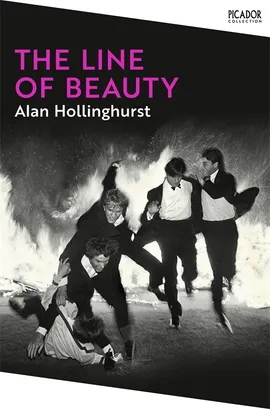
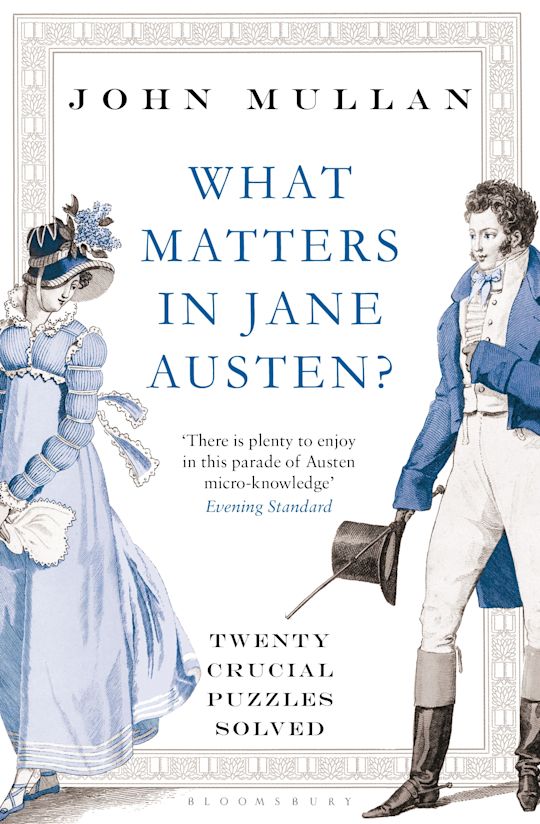
We are delighted that Sir Alan Hollinghurst will be taking part in our Literature & Landscape festival in North Norfolk in October 2025 to talk with John Mullan about Hollinghurst’s most recent haunting novel, Our Evenings and his long career as one of the finest English novelists writing today. Perhaps still best known for his Booker-prize-winning The Line of Beauty, few authors more perfectly capture a moment in time and place, or move so deftly between the grandest of locations and people and the most overlooked – always with unwavering gaze, intimacy, privacy and a Henry James-like feel for the mysteries of the human mind.
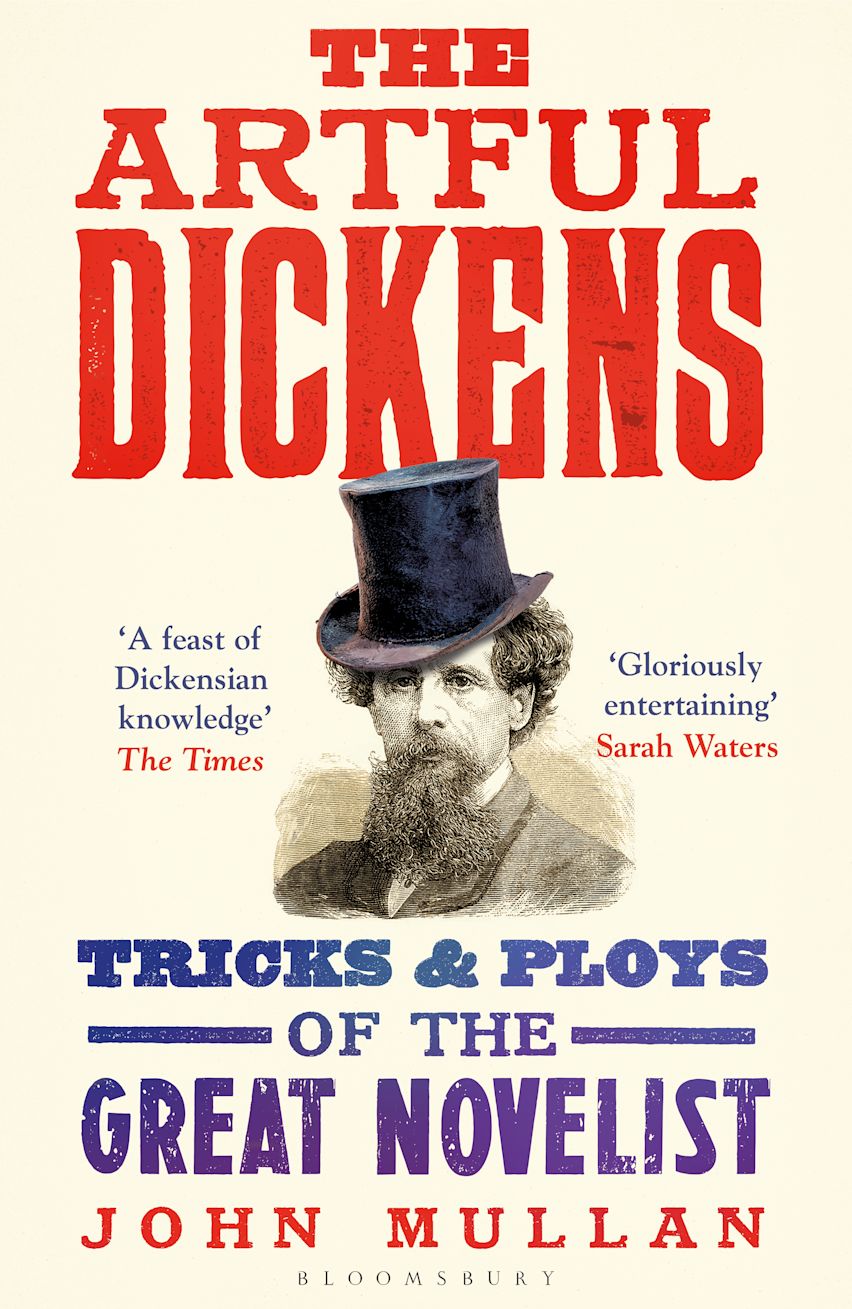
John Mullan writes a weekly column on contemporary fiction for The Guardian and reviews books for the London Review of Books and the New Statesman. He contributes to BBC radio and television review programmes, and has judged both Booker and Best-of-Booker prizes. His books and talks on writers such as Austen and Dickens bring out everything that is joyful and compelling about great writing and powerful stories.
Please put the weekend of 3 – 5 October in your diary and come along to Wells Maltings for reading inspiration…
Please dive in to this fascinating conversation between two very different genre writers – one a crime-writing native with Norfolk blood and deep roots on the north coast, and the other an author of romantic historical fiction who settled in Norwich 24 years ago. Find out what the Norfolk landscape means to Rachel Hore, a Sunday Times bestselling author many times over, and how she draws the seed of a story from a specific location. Engage with Henry Sutton’s visions of the dark underbelly of Great Yarmouth, and discover characters inextricable from their settings. How faithful should the geography of a fictional place be to a real location ? How much do writers know about where their stories are going when they begin? Why might writing what you know not exactly be the answer? What makes Henry think he might persuade Rachel to ‘come over to the dark side’ and write crime?
I loved rewatching this, and rediscovering a wealth of fascinating ideas and evocative readings. It will make you want to pick up a book to read with fresh eyes or a notebook to write in. Two long-term friends and brilliant writers – who have both taught the arts of creative writing at UEA – playfully turn over the mysterious means by which a place can take hold of the imagination and how our imaginations in turn reshape that landscape.
Three writers with Norfolk roots and three lifetimes of nature knowledge discuss the amazing diversity and endless wonder of the natural world – and the power of words to engage with and capture that fascination. This discussion between Mark Cocker, Matt Howard and Jane Lovell was rich with memorable images and moments. If you didn’t hear it I warmly recommend you turn it on and tune in. If you did, I can recommend a revisit. It made me smile even more second time around.
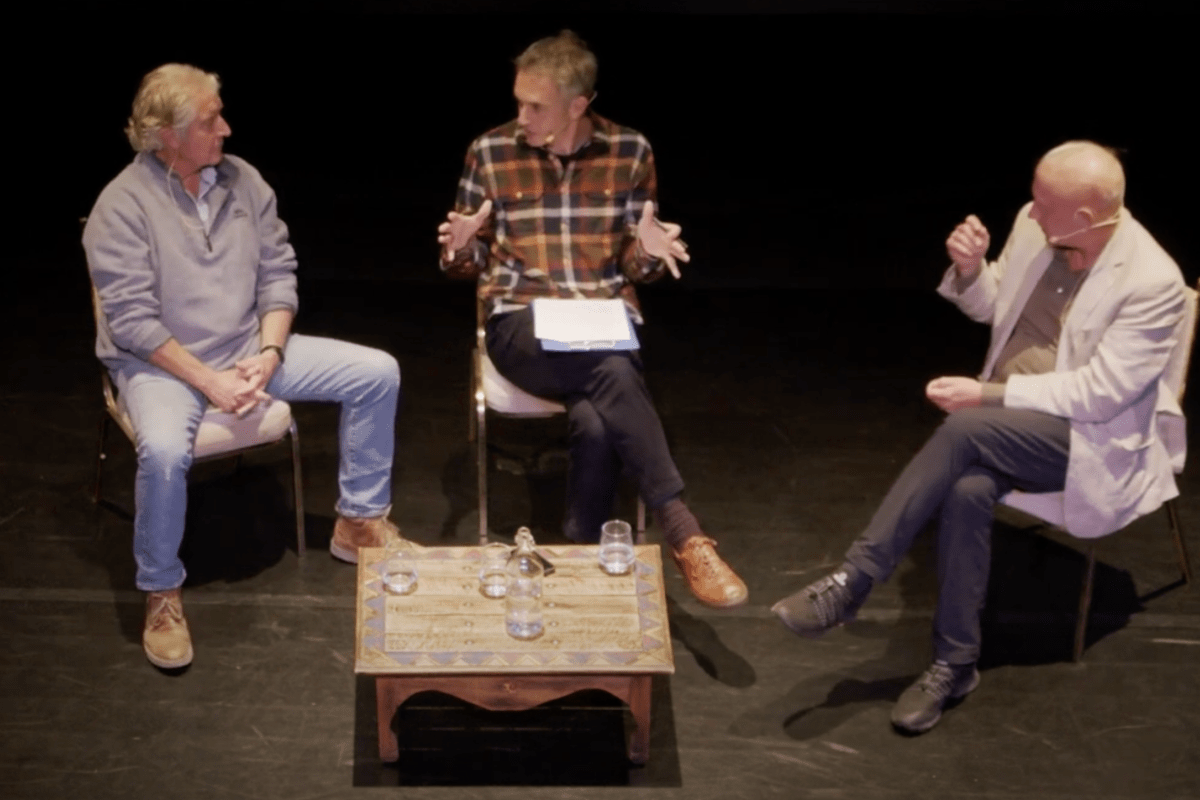
We’re delighted to be able to share this discussion in which the BBC’s Joe Crowley expertly questioned Jake Fiennes and Tony Juniper CBE about the biodiversity crisis, and what – if anything – can be done to help nature to recover. The UK population is growing; we need food, water and more housing, and all of those demand space and resources, while nature continues to be squeezed out.
Tony Juniper CBE is Chair of Natural England and has spent 40 years campaigning nationally and internationally to save endangered species, drive policy changes and change thinking on biodiversity, recycling, industrial pollution, rights of way and the climate crisis. He has held leading roles in WWF, Friends of the Earth, Birdlife International and the Wildlife Trusts and is also the author of 11 books (with another on the way).
Jake Fiennes’s 2022 book Land Healer brought together 30 years of experience in restorative land management. He is a pioneering and passionate Head of Conservation on the Holkham Estate, including Britain’s largest privately owned nature reserve. On the screen behind this discussion, a slideshow of Jake’s stunning photographs showed the flourishing results of years of hard work.
Norfolk arguably leads the country in both food production and conservation. It was the festival’s privilege to host this honest and urgent discussion about creative solutions to an existential issue.
NB if the red button won’t play this content on your device, please try instead clicking the ‘watch on YouTube’ link in the bottom left-hand corner of the image.
It hardly seems fair that this wonderful woman who encouraged us only a few months ago as we put our first festival together was not around to enjoy it.
We chatted to Daphne at the last event of Sea Fever in May 2003, though she had met Charles at the chalk streams conference in Cambridge. We were all captivated by Matthew Hollis reading from his biography of The Wasteland. It seems ironic looking back that TS Eliot was the focus, given that Eliot came also from that distinguished tribe of anglophile Americans who choose – instead of driving their wagons on west – to turn back east across the ocean, recolonise the place their ancestors left and make extraordinary contributions to British life and culture.
A short while before we met, Daphne’s latest enterprise Hazel Press had published Matthew Hollis’s new collection – Earth House – from which he had also read that weekend, and she was in Wells-next-the-sea to support her star poet. But Daphne already knew our local literary festival. She had had a family place in Brancaster since the early 1970s and used to help Fiona Fraser occasionally when she was director of Poetry-next-the-sea.
Later, when the Suffolk Poetry Trust collapsed in 2016 Daphne had started and run Poetry in Aldeburgh – and filled it, as she explained in her email in January, with ‘simultaneous events, art exhibitions, films, a pop-up cafe, poet artist & social media people in residence, open mic, a schools programme etc. even a small fringe scene developed that included poetry/literary swims which were quite demanding as that festival happens the first week in November.’ She wrote that, ‘it was fun to bring a literary gathering back to life in a new way, somehow we managed to cover travel, accommodation and pay everyone for their events almost completely from ticket sales with a bit of local generosity.’
All that was far beyond what we could achieve on the north coast but Daphne connected us with another of her poets, Jane Lovell, who drove all the way up from Devon to lead an excellent poetry-writing workshop at Literature & Landscape and to read and speak fascinatingly and beautifully about nature with Matt Howard and Mark Cocker. I’m sure that Daphne – farmer, poet, artist, publisher, nature-lover – would have relished that event, and all the others too. That she would certainly have enjoyed the one after Jane’s, when Matthew Hollis interviewed Alice Oswald generously and illuminatingly about her work, and Alice recited to an auditorium completely transfixed by the spell of her words.
I had no idea who I was chatting to back in May 2023, although I was struck by this cool, wry, understated and elegant person with her soft American accent. I think of Hemingway’s iceberg theory in short-story writing – that it’s what hidden beneath the surface that lends the whole its grace and moment.
It wasn’t until first Jane told me of Daphne’s terrible illness and then I found Daphne’s obituary in the summer that finally I got some idea what the rest of the iceberg consisted of – an absolutely extraordinary woman. If you haven’t read it, please have a look. You couldn’t guess:
An amazing person, missed by many, many people not least her family but also weirdly by some of us who barely knew her. What an incredible example of how to grab hold of life. Thank you!
It seems rather gloomy to describe creativity in medical terms. We’ve been hearing such a lot about mental health for a while now that – on the good side – we hope we now have an environment in which people can feel freer and more confident to open up about their secret struggles without worrying they might expose themselves to judgement and alienation. Sometimes, on the other hand, it can seem disconcertingly as if half the population feels overwhelmed and isolated by their own thoughts, is constantly checking its own state of mind, and sliding downhill.
This where creativity is so transformative. It can be as simple as reading a book – itself a kind of creativity in which your mind gets to work building believable worlds out of lines of letters on a page. Creativity takes you out of yourself by giving you total focus on something else. Your attention is directed intensely outwards – at whatever you’re observing and what you’re creating, channelling your conscious and subconscious via a process which translates the subject into the object. You might be hunting for an image to photograph, composing and timing your shot; scrutinising the soundscape for some essence you can turn into words or music; trying to recreate in designs and earthworks a lost marsh landscape or river; controlling your hands and eyes to steadily apply decorative marks on a sheet of paper – all instead of cycling through thoughts that take you nowhere. Once you’ve finished your work you have a new and separate thing that stands for itself, that you can share. This is hard to beat.
We included two workshops in our programme – one for writing poetry and one for drawing with sticks. John Ruskin said that you never really connect with a place fully until you’ve tried to capture it in lines, words, forms or sounds. When you describe it you see it properly. We think this is an excellent point and we invite fans of landscape to try it.
Last term a teacher at a local school mentioned that many of her pupils love creative writing. Over a school career, as the curriculum gets busier and exams appear on the horizon the space that once existed for inventing poetry disappears. In later life the challenges of managing your responsibilities and keeping yourself and family going make it even harder to find the time to write or paint or even to commit to the potential embarrassment of starting all over again.
Why not consider picking up a stick or a pen on Saturday morning and having a go? It will be a lot of fun, you will almost certainly surprise yourself, and you are very unlikely to regret it.
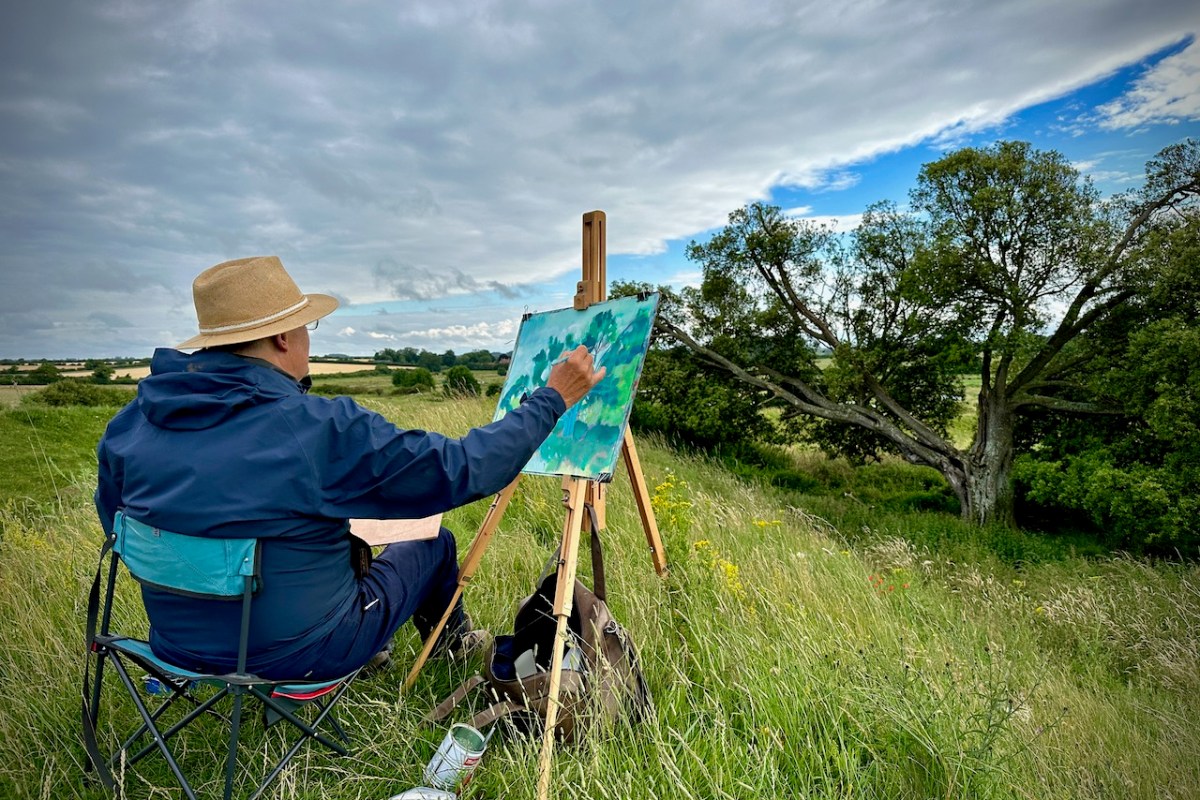
James Cockburn, who will be leading the workshop on drawing with sticks, draws or paints every day. In the blurb for this weekend’s exhibition this is how he summarised his artistic approach: ‘Be positive – life is worth living. See each work as a gift – don’t leave anything out. Bring something new to the party – don’t repeat yourself.’
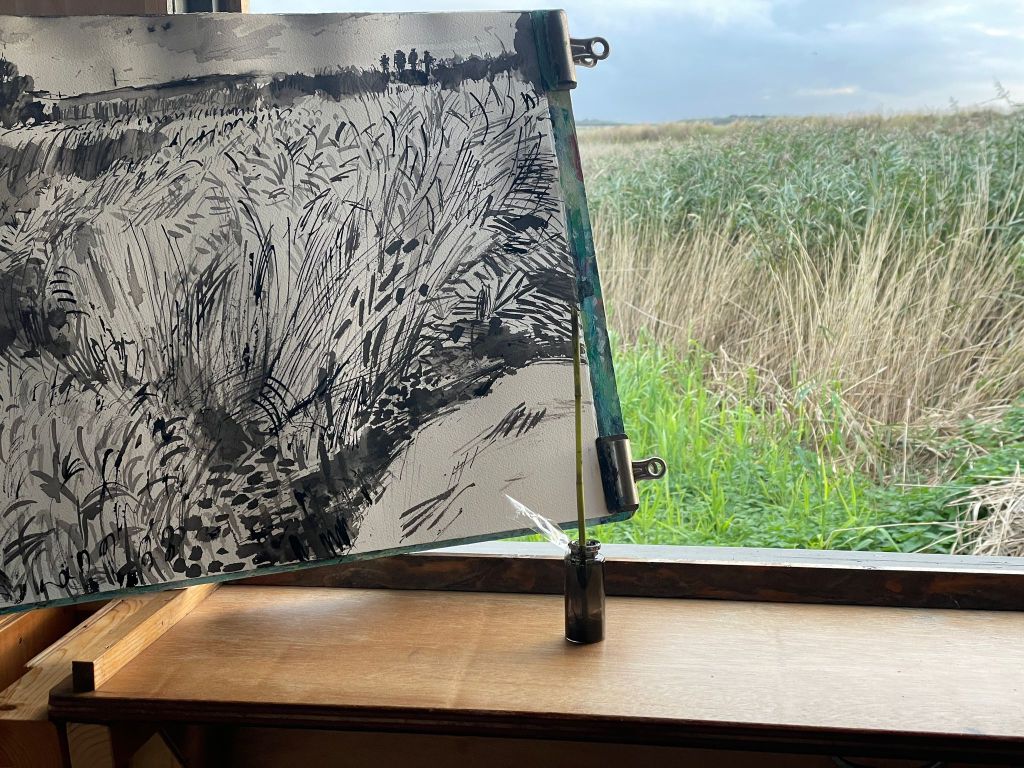
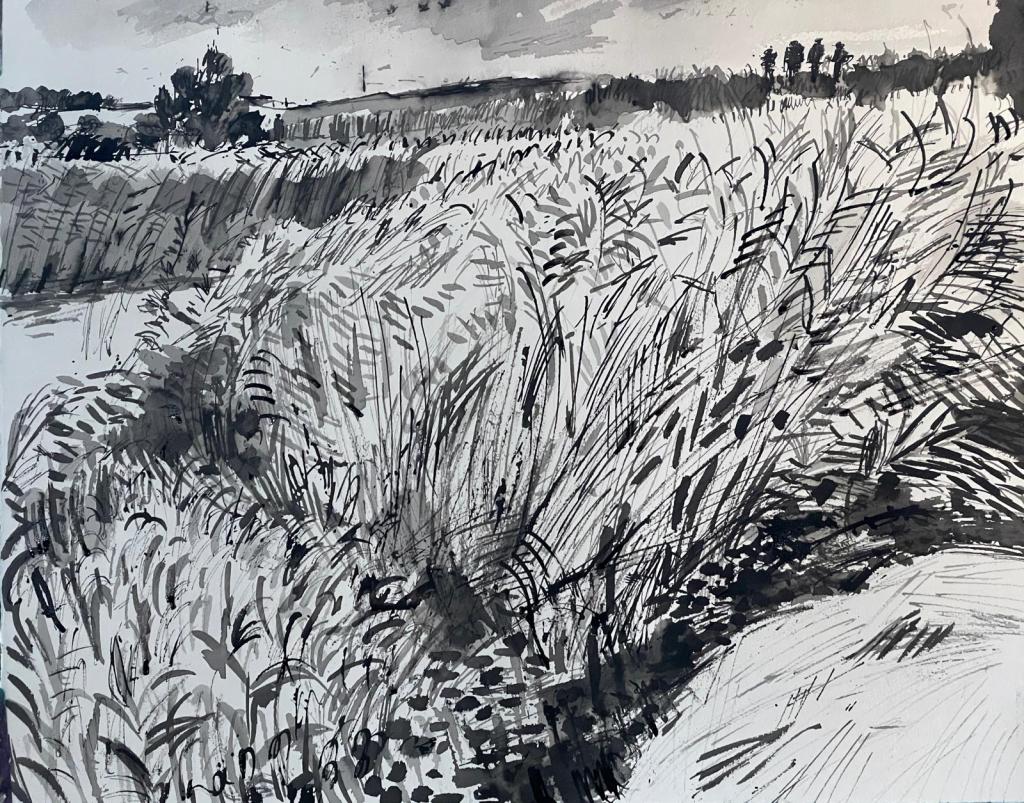
After the rain had stopped this afternoon, James created this picture of the reed beds at RSPB Titchwell seen from the west-end first hide. He used reeds dipped in Indian ink.
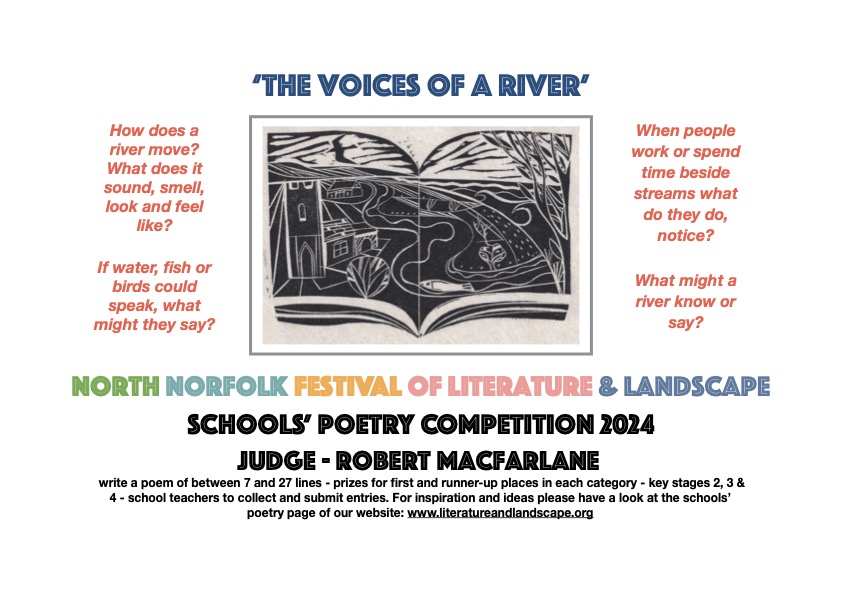
Our poetry competition is in full swing – open to all schools in North Norfolk. We want to hear what our local children have to say about the landscape and wildlife which surround them in this rural coastal strip.
Here is our invitation:
The competition started when our festival was called Poetry-next-the-sea back in the 1990s and has run for a long time, kindly administrated by volunteers like Tim Fisher (who is running our nature workshops this year for schools and the general public). This year we are very excited to be able to announce that global superstar of nature writing and Cambridge professor of English, Robert Macfarlane will be judging the poems.
But there isn’t long to go. Entries must be in by the final minute of 27th September.
Our theme this year is ‘the voices of a river’ – inspired by Alice Oswald’s poetry and in particular her poem Dart – a poem in one whole book which follows a river in Devon from its source on the moors to its mouth, with the river speaking as it moves and changes through its course, using its own voice and the voices of people who live and work in or beside it.
You’ll find our rules here, photos, a summary and some inspiring river images here and a whole page of river poems here to read and think about.
We are all looking forward to reading your poetry.
What is it about a place? It might be vast and open – a marsh, clifftop or expanse of sea – or small and close – a seat by a window, a gap in a fence, a locked box under stairs. Spaces can hold powerful identities. Did something significant happen here once – or does this spot somehow just suggest, or even invite, a certain possible turn of events?
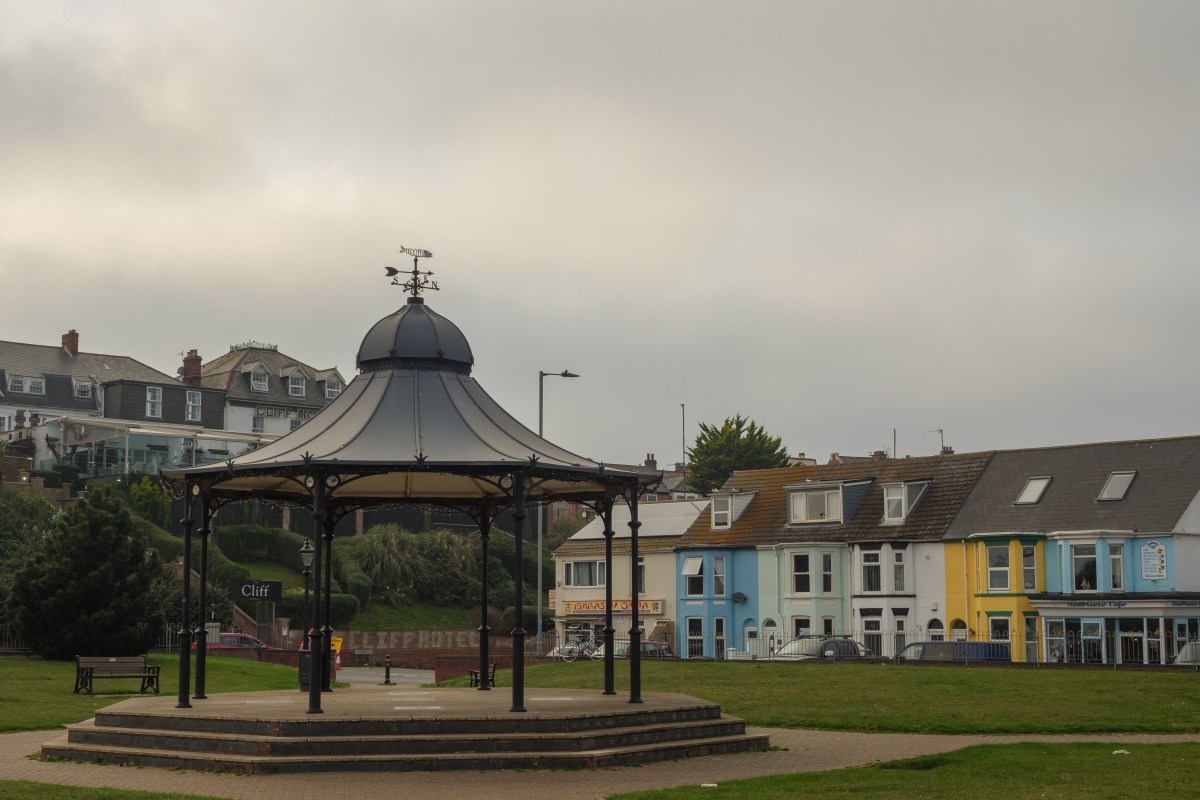
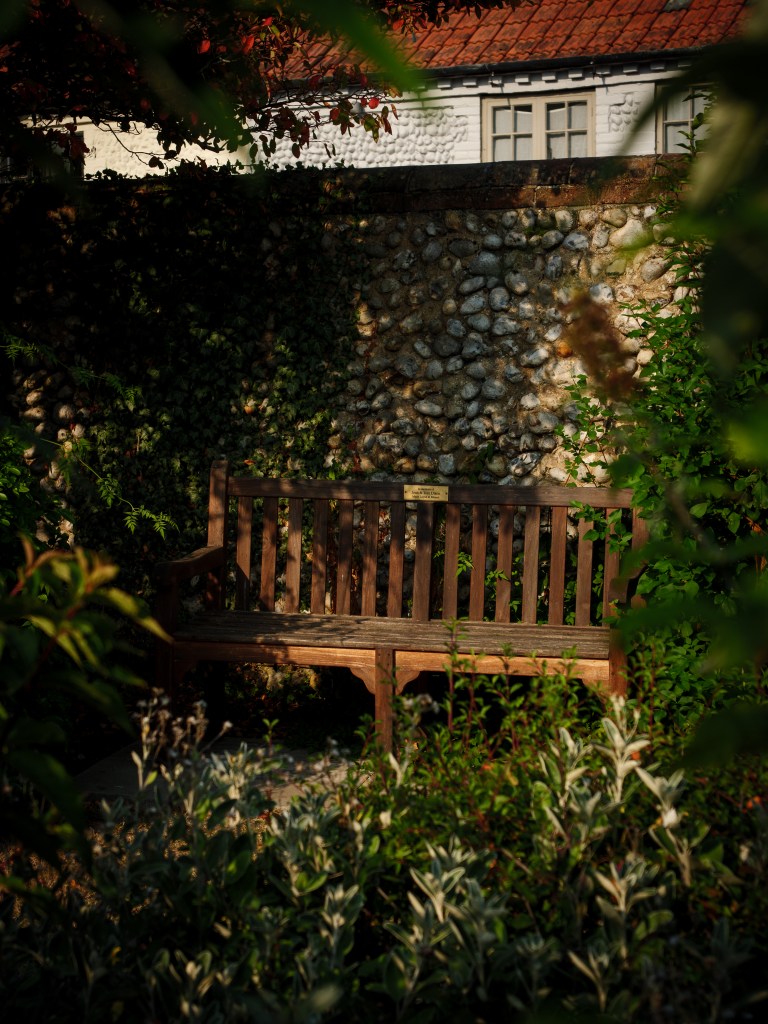
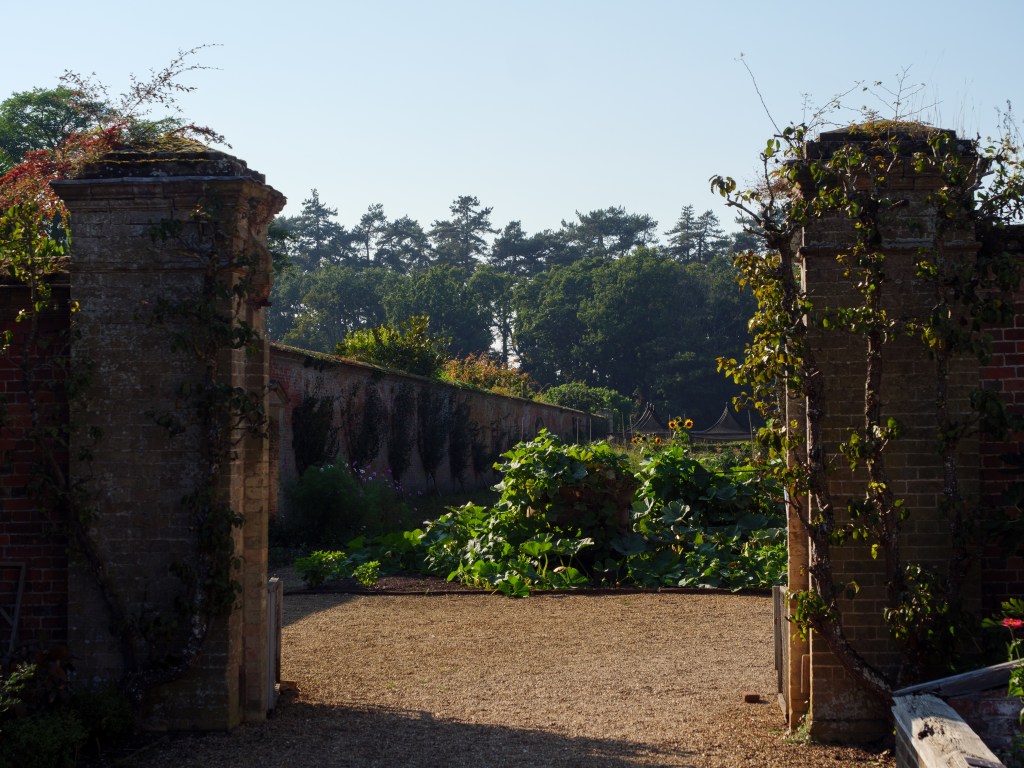
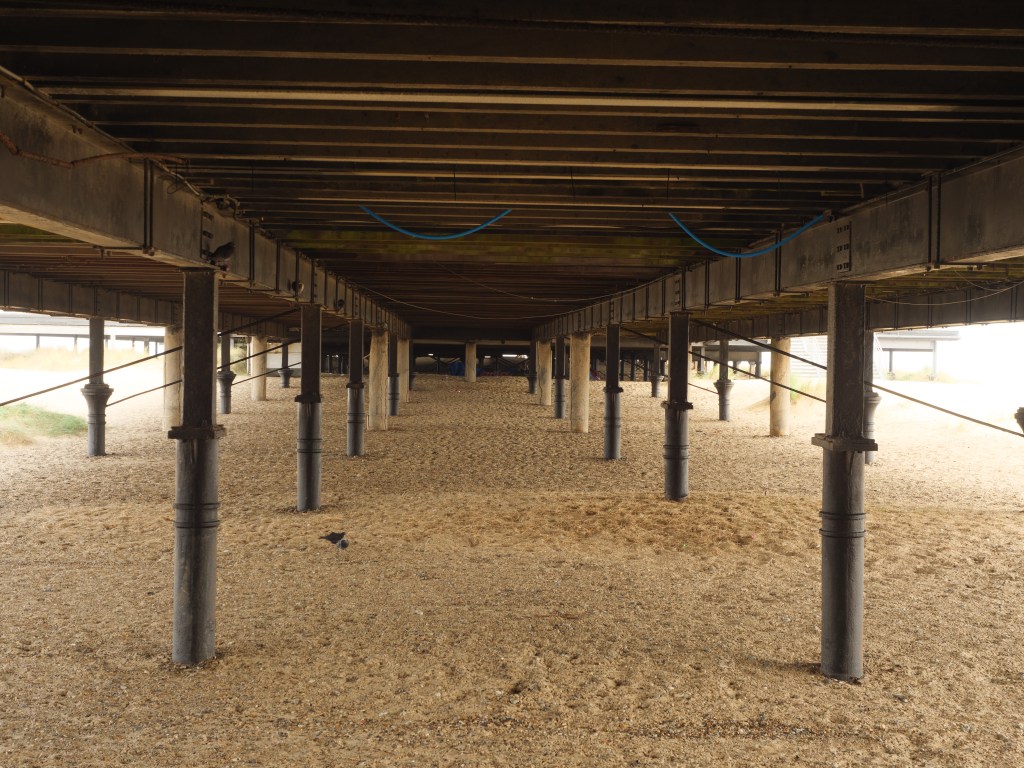
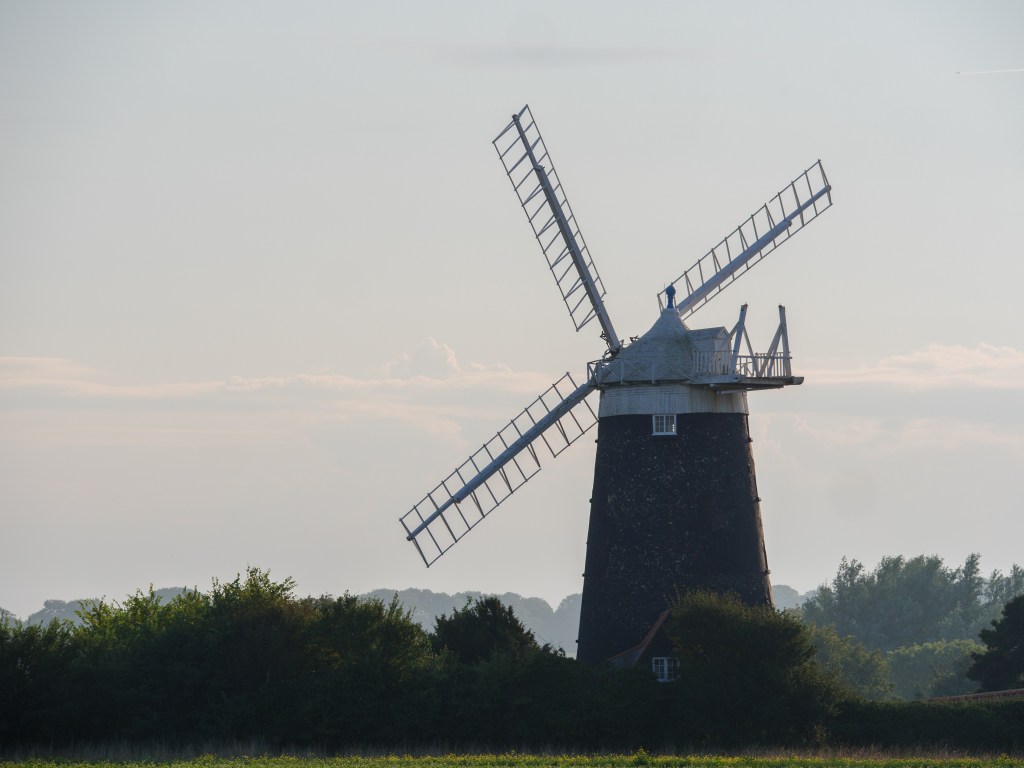
Patrick Rangeley has driven round North Norfolk with a list of some of the settings used in the novels of Rachel Hore and Henry Sutton and taken the photographs on this post (more of which you will see in our first big literary event on Friday 4th October at 6.30). These photographs may or may not be anything like what Henry or Rachel imagined when they built the worlds of their romances, histories, literary fictions and crime novels. (We look forward to hearing!) They may not be what you might imagine when buried in their stories and playing out the descriptions and dramas in the private space of your own mind. But who is right?
And what is it about place?
Rachel Hore has sold over a million copies of her novels which bridge the gap between past and present. As two stories unfold, one in our time and one in the past, a trauma is unburied, confronted and resolved. Henry Sutton, who is Norfolk born and raised, turned his dark, playful wit twenty years ago from literary fiction to noir crime, and now writes about and lectures in crime writing at UEA. We invited them both to Wells Maltings next Friday not only because they are brilliant writers and entertaining speakers but because they have both set stories around here and we want to know…
….do a crime writer and a historical novelist see places differently or the same?
There are still spaces left for their talk and readings at 6.30pm on Friday 4th October. Please join us!





 Literature & Landscape