It’s been over a month now since our festival in Wells.
We hope you had as much fun and as interesting a time as we did: we loved the exhibition and artists, the writers, their books and fascinating careers, and the many, many discussions – formal and informal – that sprang out of such a great mix of people coming together on stage and in the audience over one weekend. We loved the schools’ programme (more on that later) and unexpectedly we even ended up appreciating the wild weather that blew in to remind us of the forces that shape the place we and many other living things call home.
We would also love to know your thoughts on how the weekend went.
Please click on the feedback button to tell us what brought you to our festival and what you think worked well. Please pass on any hot tips you have about spreading the word and anything else you would like us to know.
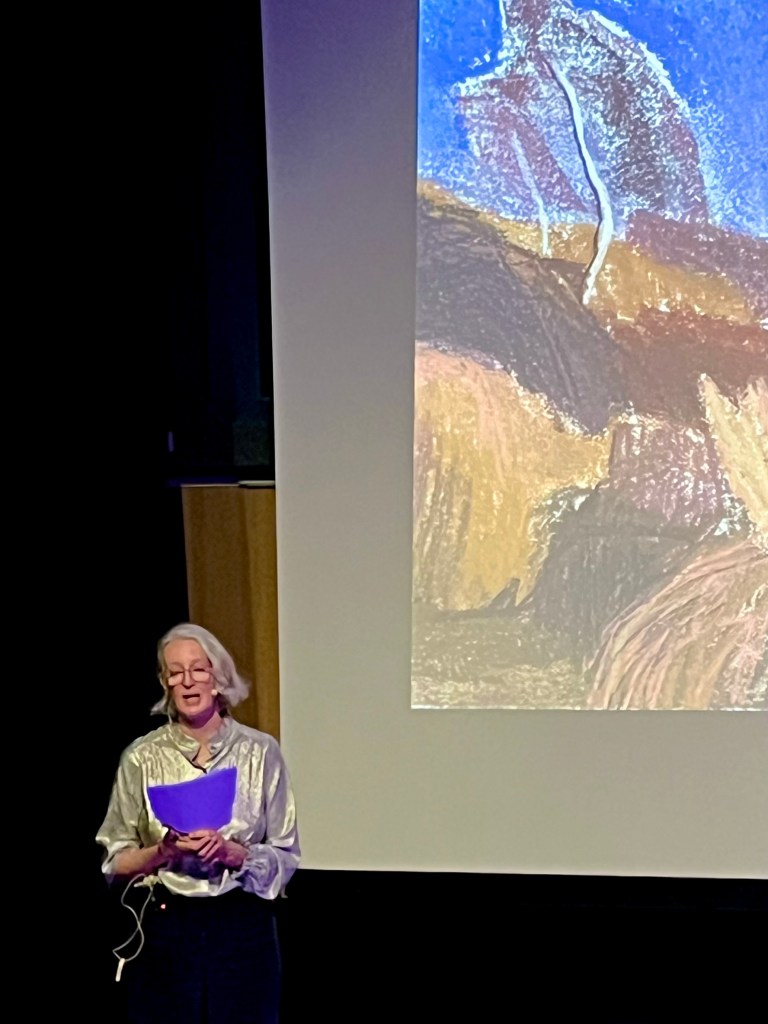
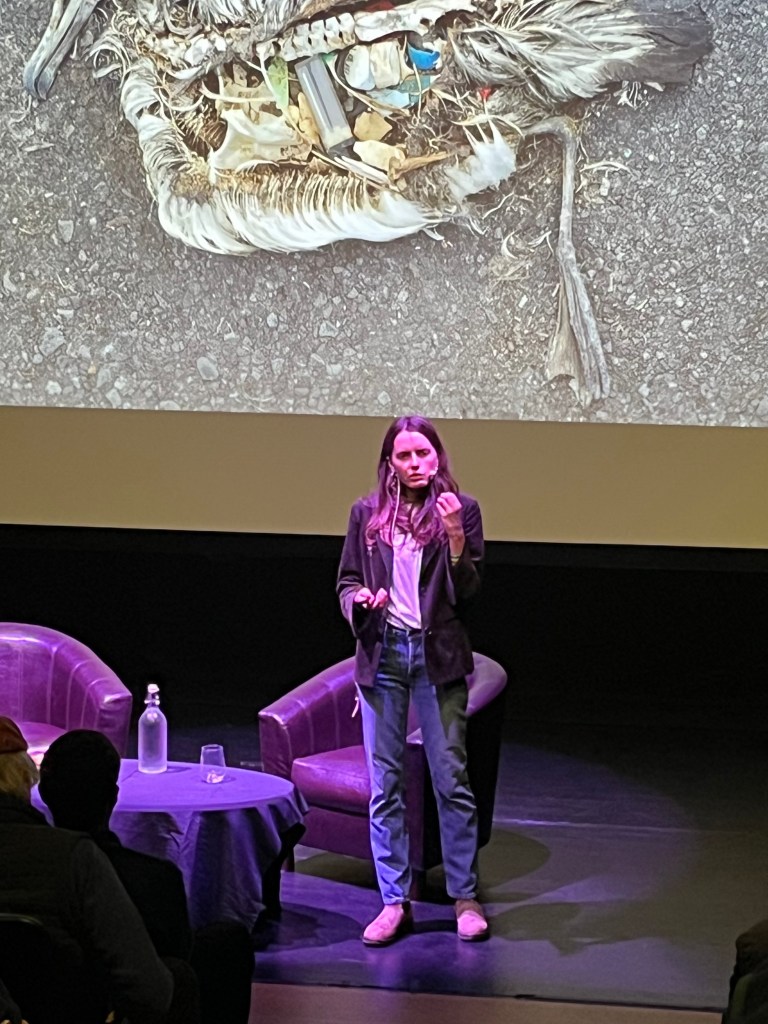
Meanwhile please scroll below for a quick reminder of our wonderful speakers…
With six outdoor events from a boat trip to walks through woods or over a salt marsh to – literally – a walk in the park – we watched our plans teetering as Storm Amy and the festival weekend closed in, locked in embrace.
Last year had been all sunshine and gloriously filmic early autumn light that made everything glow. Too easy. This year we were in the weather’s sights.
Jake Fiennes flagged it up first – nearly a week ahead. But that was a week ahead. Forecasts exaggerate. Things looked fine on Thursday.
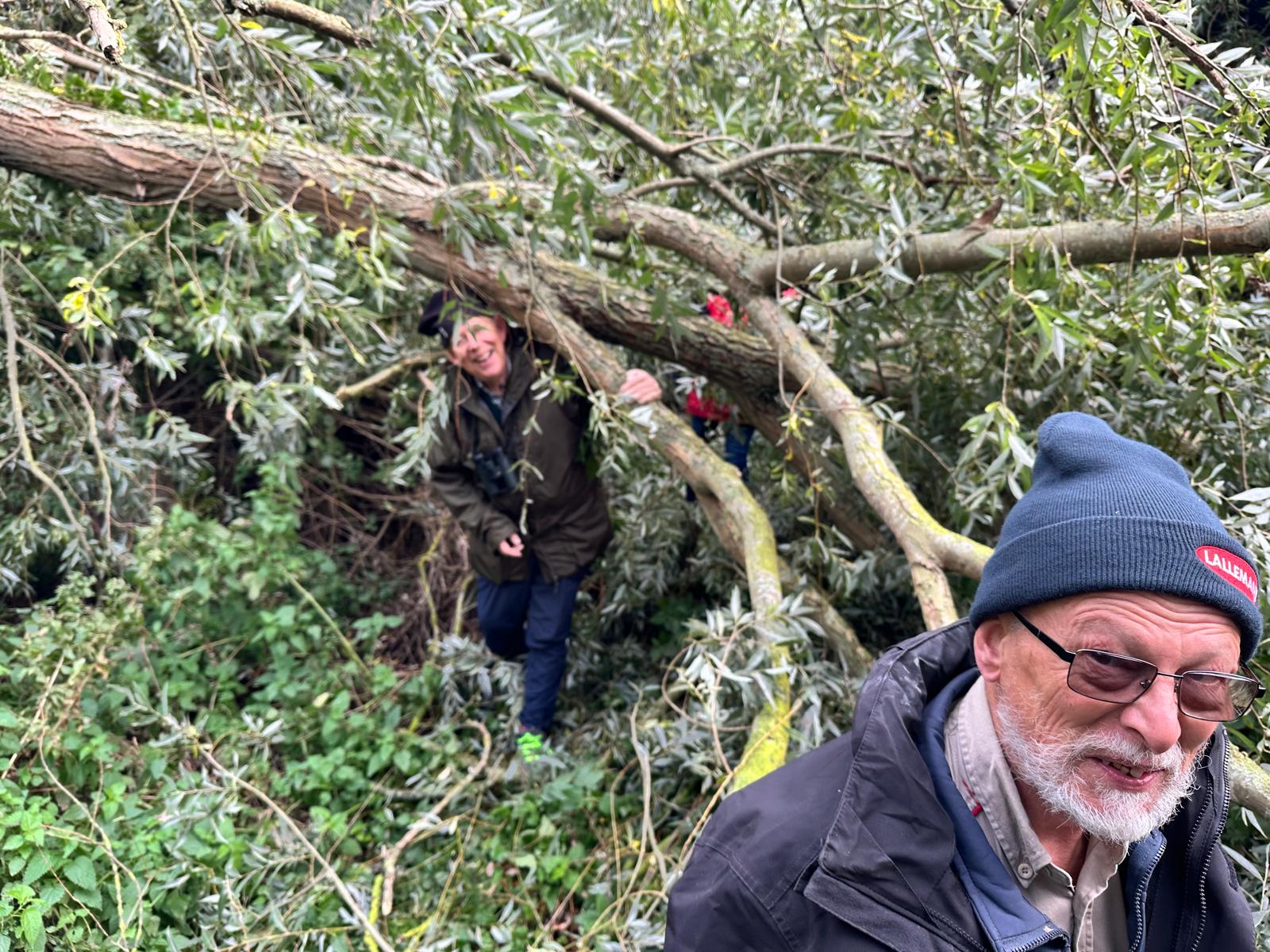
Day one dawned with an email – 90 primary school children… not safe to walk them up the road in these conditions… could we send our author down instead? 9am Carl Sayer and Jonah Tosney regretfully cancelled the first walk of the weekend – beavers in the Glaven Valley. Beavers take no account while beavering away undermining trees for the risks to those who might find themselves beneath those trees in high winds. Holkham Park would have to close on Saturday – Nick Trend’s walk would be just a talk.
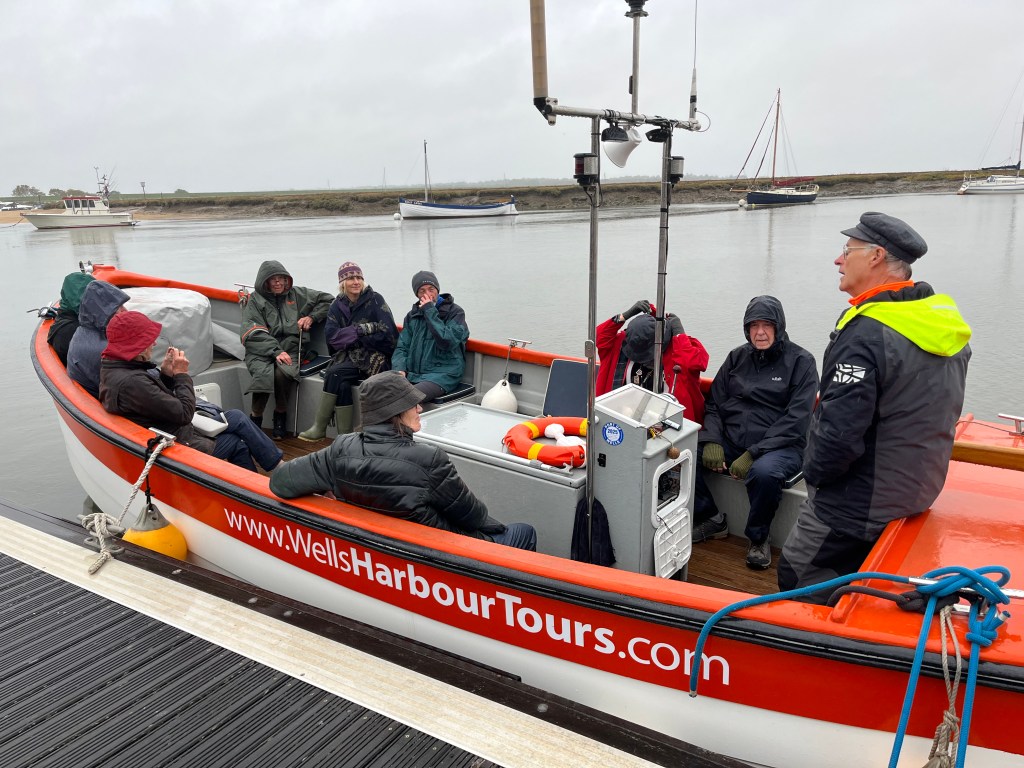
With the Friday afternoon boat trip scheduled to launch our programme rain clouds were thickening over the channel. Would Nick Groom give a red light? Not till everyone is on the quay, he said. Passengers gathered, dressed for the weather, looked at one another – and climbed on board. Things began to turn.
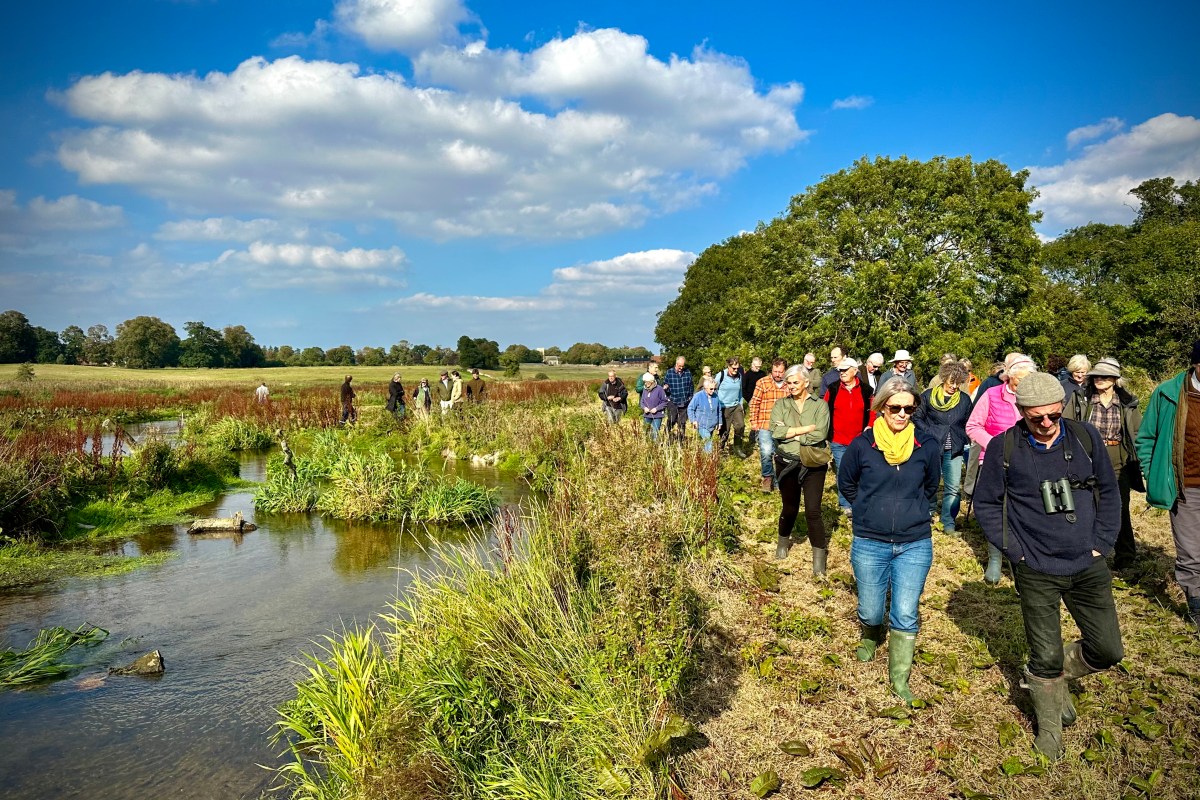
While those who preferred to keep dry sat down to enjoy a film in the Maltings, our cancelled beaver walk became a new River Glaven walk with Charles R-W.
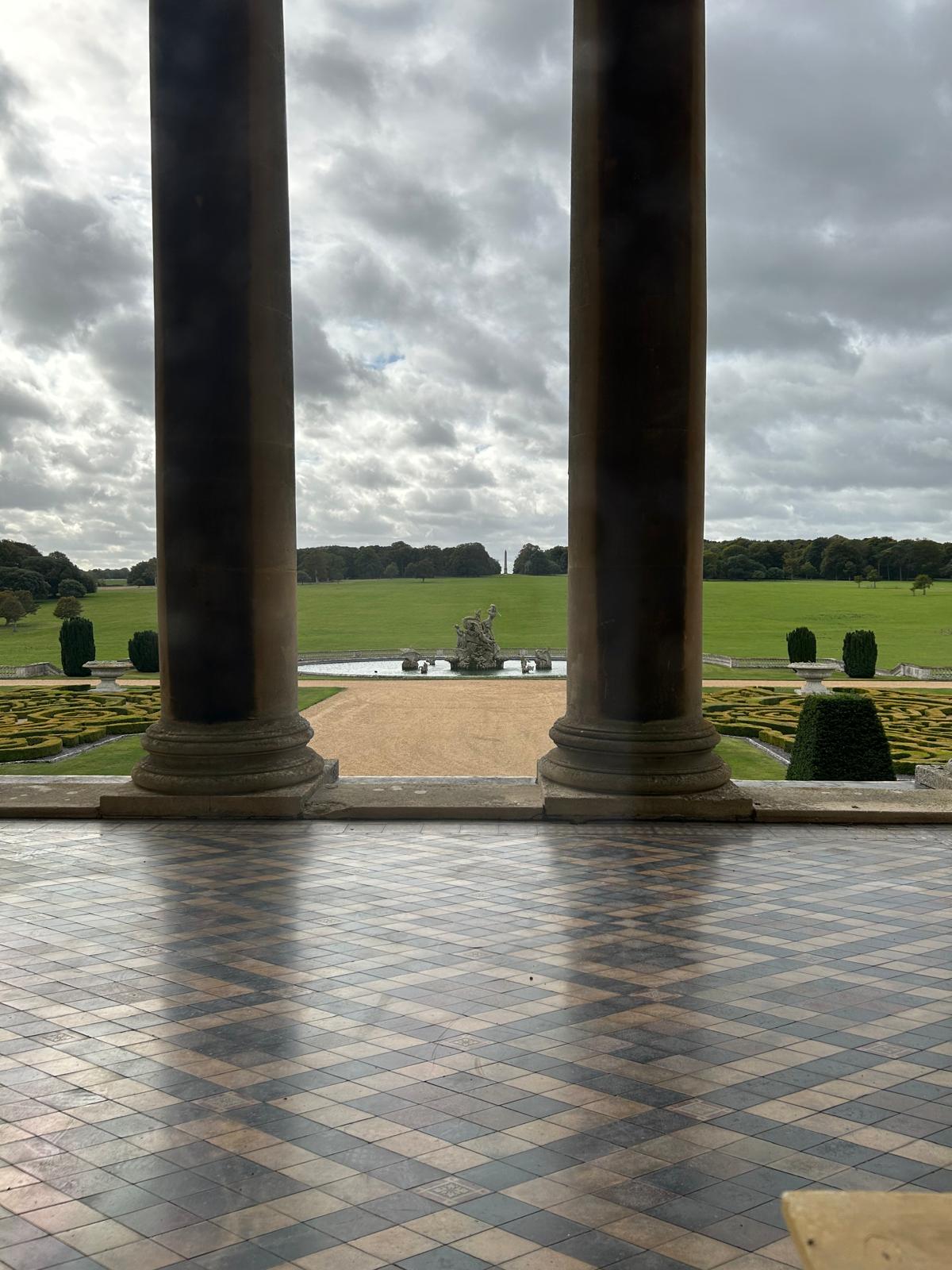
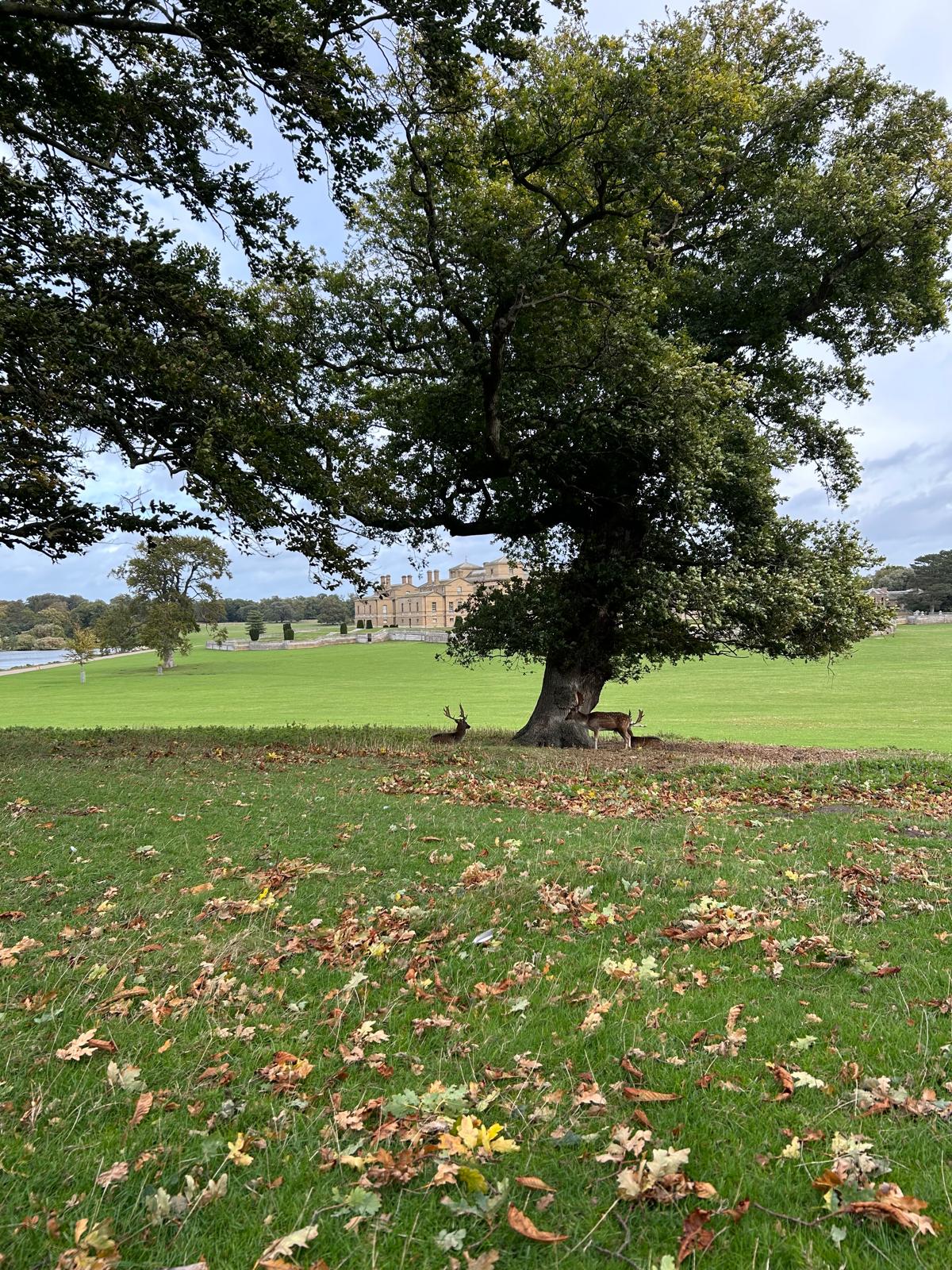
Holkham walkers got to go outside after all, led by their host
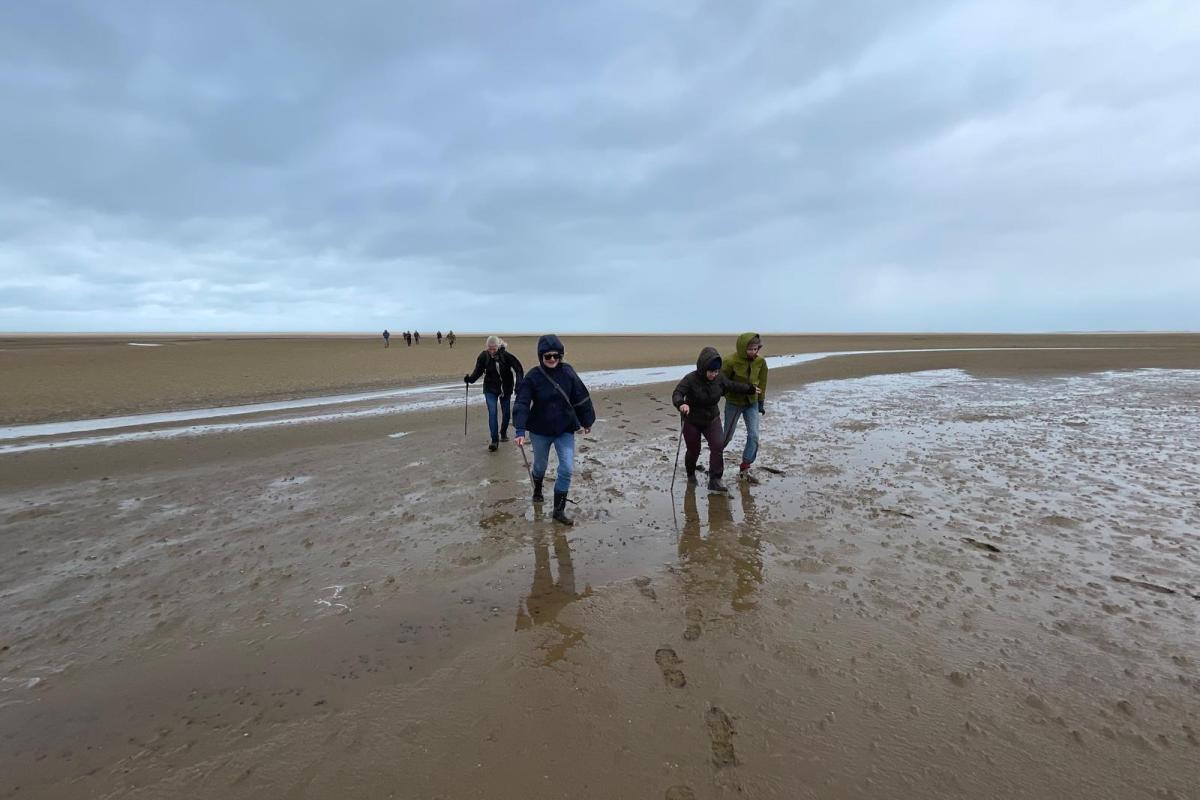
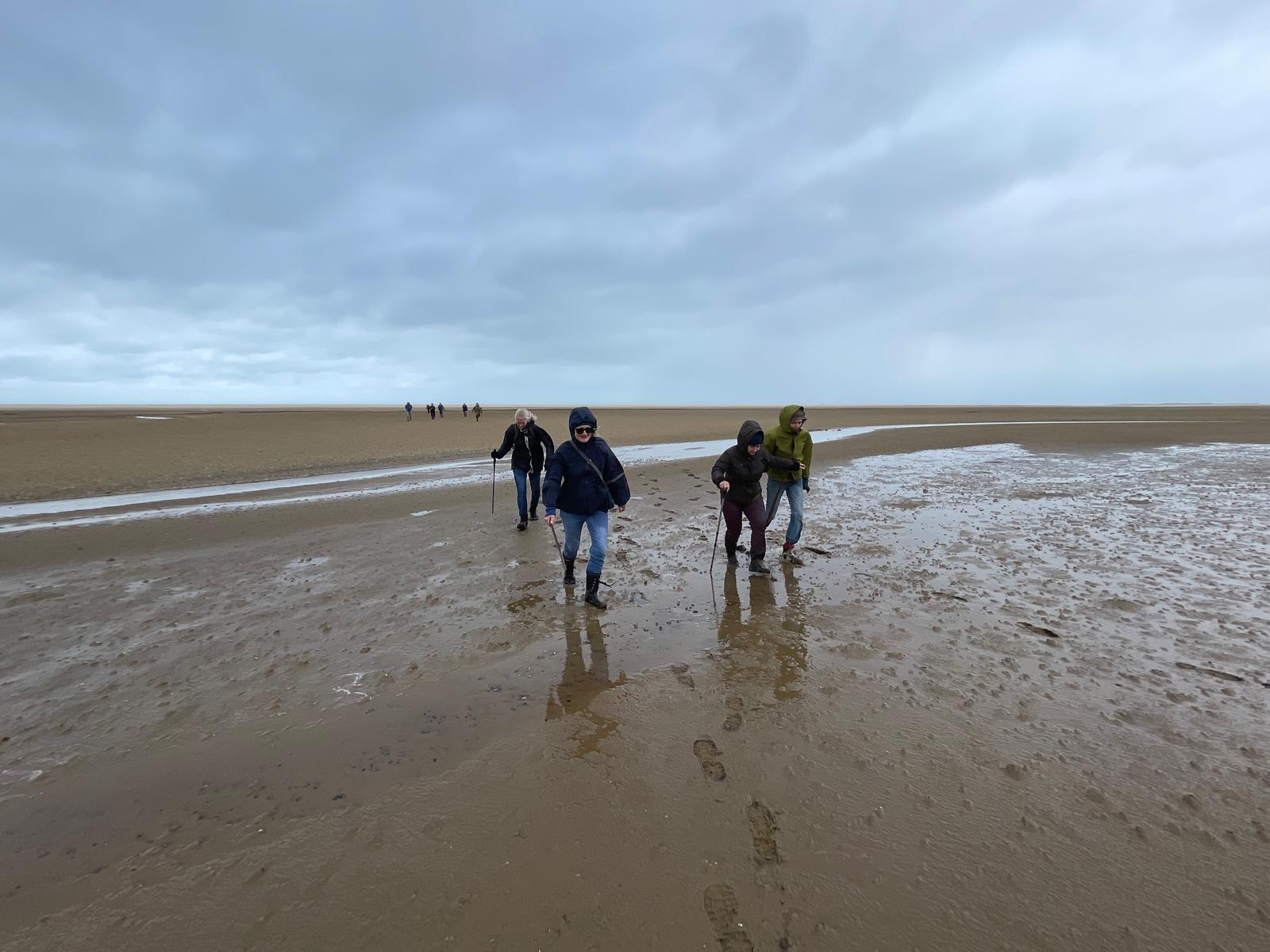
Intrepid salt-marsh walkers headed out with Jake, unperturbed, for a two-hour walk that became a three hour expedition from which they returned exhilarated.
You can’t embrace landscape or get close to nature without experiencing the weather in all its moods. And on the north coast of Norfolk there is as they say no such thing as bad weather, only bad clothing.
Final result:
Festival 6: Storm Amy 0
Thank you, Patience, for your response below to this post:
I was one of the ‘intrepid’ walkers with Jake and if anything storm Amy only enhanced the experience! The whole weekend was great. Fresh air, fun, life enhancing and much food for thought – all in beautiful Norfolk. Thank you so much.
Tibor Fischer’s short story ‘Crushed Mexican Spiders’ follows a young woman living in Brixton, London, who returns to her flat to find her key no longer works and that someone else is inside living her life. You never find out what is going on, but her sense of displacement is overwhelming, and sometimes it can feel like a lesser version of that when you consider the past – all those people who lived in your house or street or village once, who owned your world and would not recognise you.
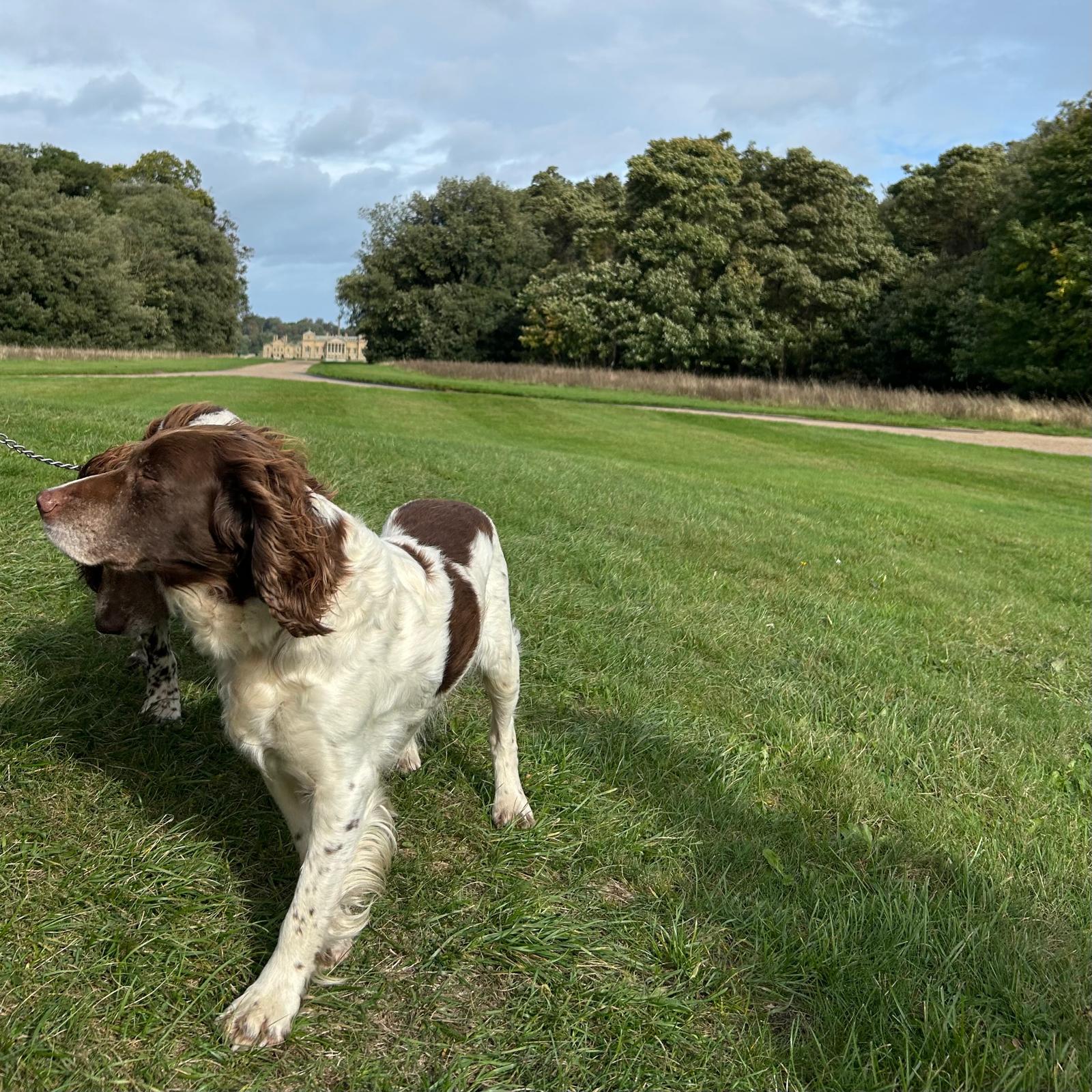
Sometimes when I walk the dog on Barrow Common – a ridge that rises like a rampart behind the sand-filled harbours of North Norfolk – I imagine how terrifying it must have been for people essentially no different from us to look out over their familiar sea view one day at the end of the 8th century and watch the first wave of Viking longships approaching.
The Anglo-Saxons had themselves moved in and driven the local Celts westward following the retreat of Rome four centuries earlier – Branodunum and hundreds of other signs and structures of Roman occupation would still have been standing. Slowly the languages of these invading tribes coalesced into a single form that King Alfred was pleased to call English, and that we call Old English. The reason why we still have any of it now is because of scribes like the ones Alfred commissioned to create his library in Wessex, and thanks to whoever created the Exeter Book by inscribing the best of Old English poetry at the end of the 10th century.
Time doesn’t only separate. Unlike buildings and possessions which can be destroyed and stolen, the best phrases and stories are owned by none and stand the ravages of centuries longer than stone fortresses. They carry forward the soft essential experiences of living – preoccupations, loves and fears of the people who owned and shaped our language before us, walked where we walk, dug Norfolk soil, fished our coast and rivers, put up with British weather.
The Norfolk writer L.P. Hartley’s novel The Go-Between immortalised the peculiar divisiveness of time passing in his ironically immortal opening line: ‘The past is another country’.
I am looking forward to travelling there with Matthew Hollis and Bernard O’Donoghue on Sunday, and with Julia Blackburn on Saturday.
This beautiful shot is of the wader spectacular at RSPB Snettisham during the Literature & Landscape festival weekend last year – taken by Mark Cocker and shared with his kind permission. It is a reminder that North Norfolk’s 100 miles of coastline is part of a super highway for hundreds of thousands of migrating birds, and it stirs up a sense of awe for this class of creatures who seem effortlessly capable of miraculous feats.
Here are some titles about birds by our 2025 writers:
Whistling in the Dark (nightingales) by Richard Mabey
Crow Country, Birds Britannica, Birds and People, One Midsummer’s Day (swifts) by Mark Cocker
Bird by Bird, The Wren and Murmurations of Love (starlings) by Julia Blackburn
In Search of one Last Song by Patrick Galbraith
our three poets have all written about birds including a curlew (KatrinaPorteous), a nuthatch (Bernard O’Donoghue), rooks and a heron (MatthewHollis) – to name a few
All these admire the difference, culture and capabilities of these warm-blooded creatures of the air, who look down at us on the ground, who dance, dive, float, project skeins of sound from tiny lungs and who were winging with expert navigation across oceans and continents for millennia before we even discovered the existence of the rest of our planet.
Birds have inspired, fascinated and been enmeshed in the rhythms, beliefs, traditions and creations of humanity going back as far as records exist. They, their habitats and ways of life are vulnerable and we are losing many of them.
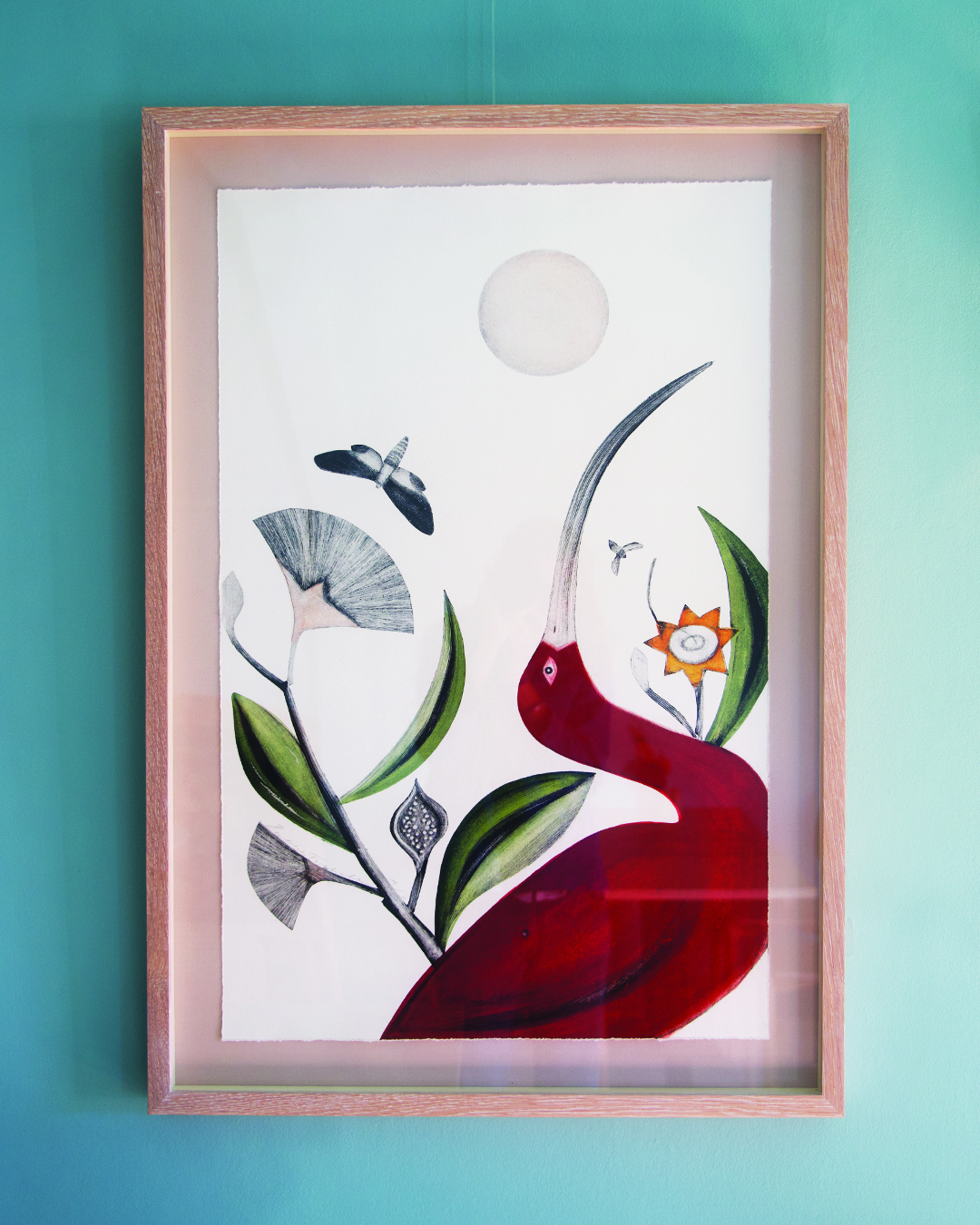
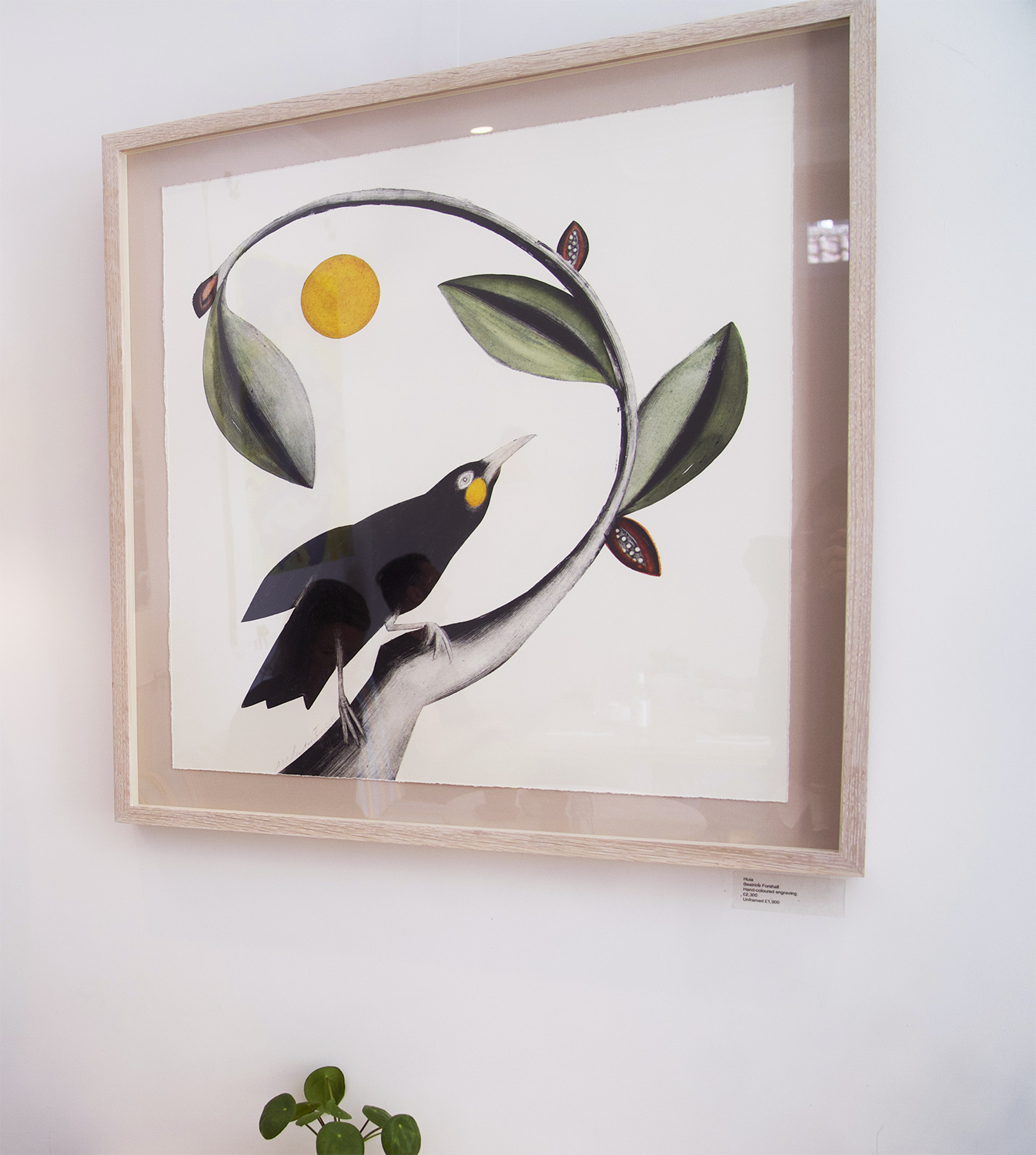
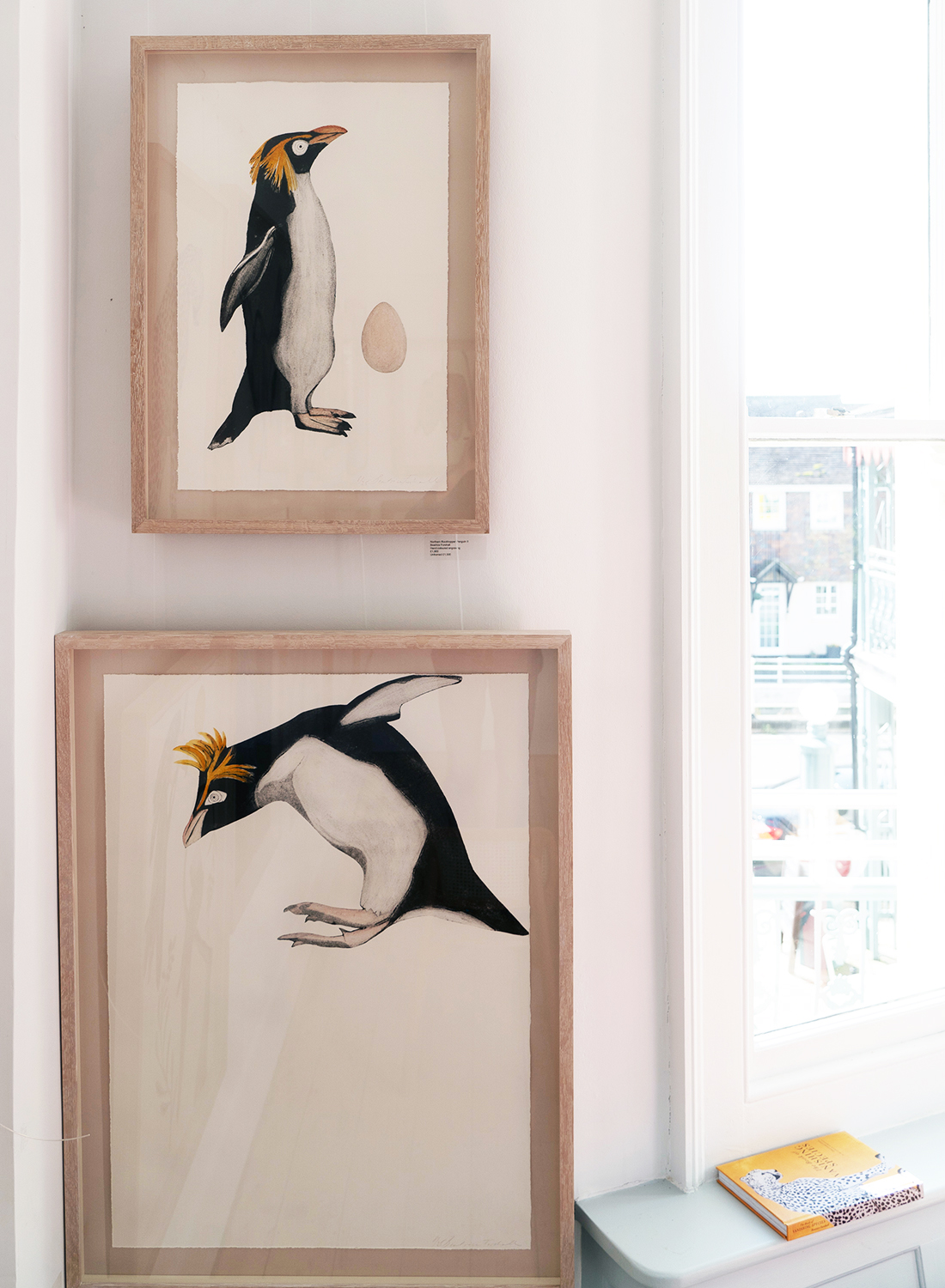
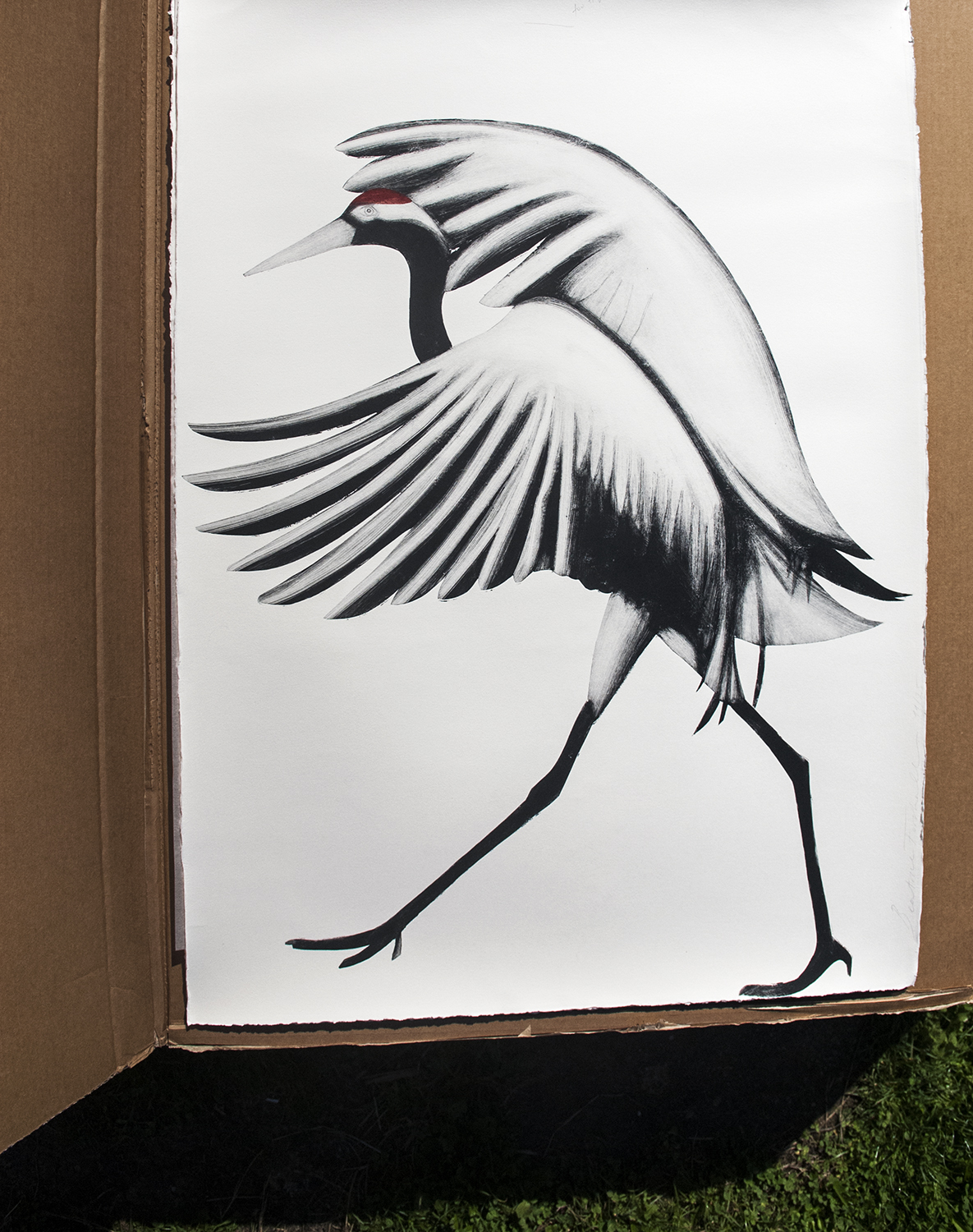
Here are some images of birds we are losing, by Beatrice Forshall – one of our artists in this year’s exhibition:
We need volunteers for our walks. Are you in a position to help?
• We are looking for a qualified first-aiders to join each of our walks. Please email info@literatureandlandscape.org if you have a current first-aid certificate and feel confident that you could provide on-the-spot assistance for emergencies among a group of walkers in woodlands or over salt marsh or on a beach?
• All our walks are a car drive away from Wells Maltings. Are you a driver booked in to one of our walks and could you offer a lift to and from Wells Maltings before or after the walk to someone who can’t drive themselves? Please contact us on info@literatureandlandscape.org if you are able to help
The Laurel is the Poetry Society’s annual prize for environmental writing – poetry about nature and place, and we are thrilled that Katrina won – for her collection Rhizodont.
We love that Katrina…
• …embedded herself in a dwindling traditional fishing community near her grandparents’ house in Northumberland nearly 40 years ago. Katrina studied on a Harkness Fellowship in the USA, under Thom Gunn and Seamus Heaney – spending time in Native American Pueblo and Hopi communities in the South West, and in rural areas of the southern states. ‘An awareness’ – observes the Harkness blurb on Katrina – ‘of the universal importance of small-scale, sustainable local culture and ecology… has informed her work ever since’
• …turns complex scientific ideas into captivating poetry for non-scientists. Katrina’s collection Edge explored matter from quantum level – and the Large Hadron Collider – to the widest expanses of space
• …collaborates with artists and musicians such as Peter Zinovieff, Alistair Anderson and Julian May to produce performances about subjects from longshore drift to sea, sky and stars to the Uffington white horse to a journey beneath the ice of Antarctica. Read more about that lockdown project here
• …is President of the Northumbrian Language Society and the Coble and Keelboat Society and writes academic papers on the history of fishing and dialect research
• …named her latest book Rhizodont after the most recent ancestor we share with fish – a species that became extinct over 300 million years, found in the form of a 3-metre-long fossil off the Northumbrian coast. One reviewer said ‘Rhizodont does for the mining and fishing communities of post-Thatcher Northumberland what Heaney did for mid century Mid-Ulster, archiving the vast richness of its language, culture and work-lives. Porteous’ painterly eye for detail gives depth and resonance to the histories and dramas of her human and non-human subjects alike’
Or as Katrina explains herself: “For me, poetry is a kind of listening, and transmitting what I hear. I live on the coast, which constantly reminds me that human life is both vanishingly insignificant and astonishingly powerful. I want my poems to express that range of scale, to pass on what I’ve learnt from scientists and from my home communities – that small, local attachments can influence enormous planetary mechanisms, and that this brings hope. A multitude of voices, human and natural, imbue the poems in Rhizodont“
Katrina will be reading from Rhizodont and talking to Patrick Galbraith on Sunday 5th October at Literature and Landscape. Please book here to join them
Over two years as artist-in-residence with the Cambridge Conservation Initiative, Beatrice Forshall explored the stories and features of the many strange and wonderful flora and fauna that are quietly disappearing from our planet. Her book – Vanishing Species – is a celebration of those extraordinary life forms. Watch this 3-minute video involving Beatrice, sheets of zinc, inks and a press at her Devon home to see the contemplative process of lithograph creation by which she gave shape and feeling to what she had learned. Beatrice’s beautiful and vivid recreations will be on show at our Literature & Landscape exhibition from 3 – 5 October. With a Friday evening ticket you can also hear her talk about the exquisite and thought-provoking book she wrote and illustrated.
With tickets now selling fast for 2025, here’s a quick reminder of what we did last year…. please take a look.
From Friday 3rd to Sunday 5th October we have more great walks and talks for you, more discussions, another boat trip and an exhibition – all celebrating nature, the arts and our unique, amazing and precious landscape.
Please take a look at our events page, press the purchasing button beside any event you would like to come along to and you will be linked through to our payment page on the Wells Maltings site.
We would love you to come and join us and fulfil the last and most important role – being our audience.
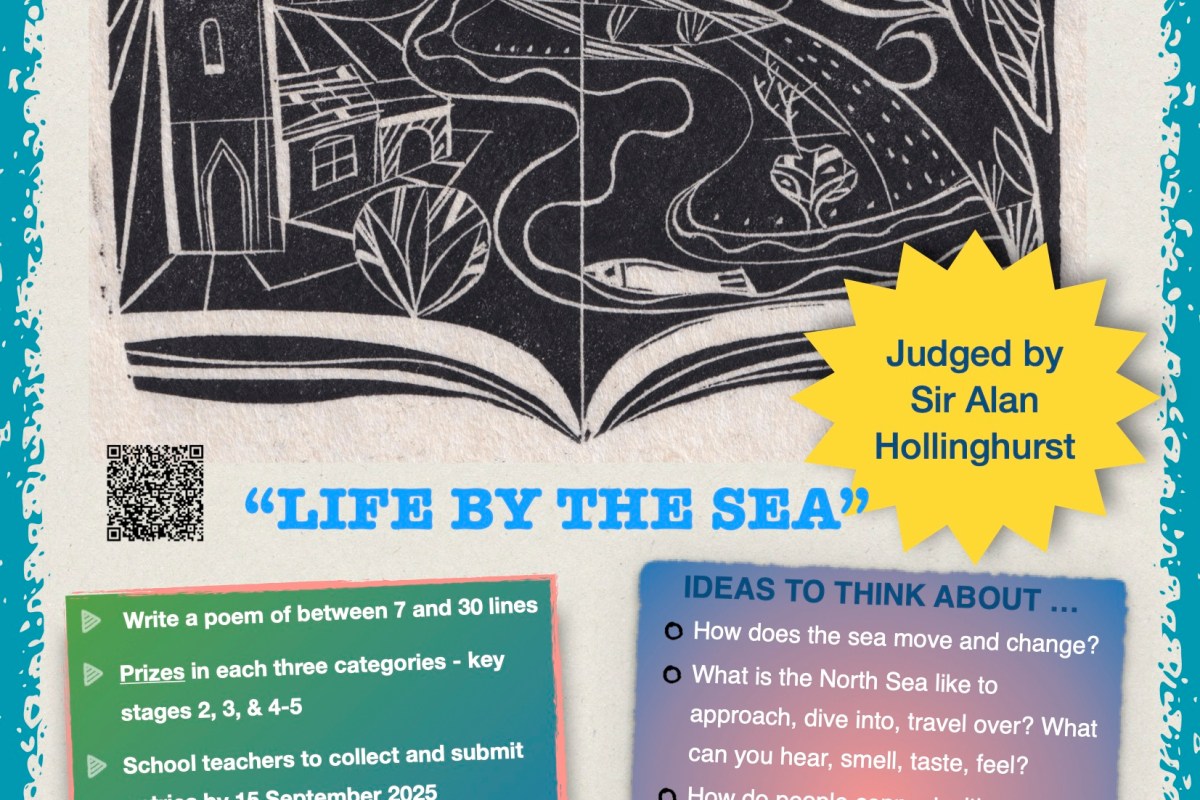
Our theme for this year is Life by the Sea and we are absolutely delighted that the wonderful Sir Alan Hollinghurst has agreed to be our judge.
The deadline has been changed to 15th September so that schools can choose between an end-of-year poetry-writing project in the last fortnight of the summer term or doing the same thing in the first fortnight of the autumn term.
In the 250th anniversary year of Jane Austen’s birth, a very special writer is coming to North Norfolk….
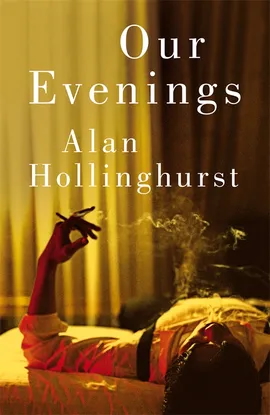
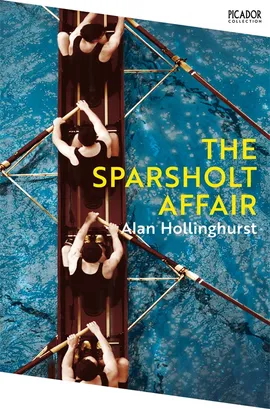
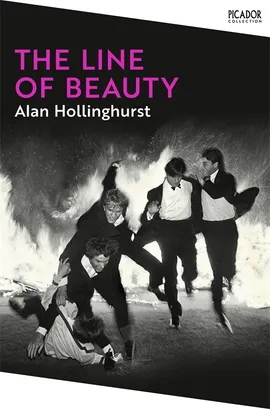
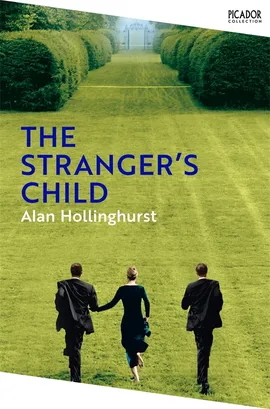
We are delighted that Sir Alan Hollinghurst will be taking part in our Literature & Landscape festival in North Norfolk in October 2025 to talk with John Mullan about Hollinghurst’s most recent haunting novel, Our Evenings and his long career as one of the finest English novelists writing today. Perhaps still best known for his Booker-prize-winning The Line of Beauty, few authors more perfectly capture a moment in time and place, or move so deftly between the grandest of locations and people and the most overlooked – always with unwavering gaze, intimacy, privacy and a Henry James-like feel for the mysteries of the human mind.
John Mullan writes a weekly column on contemporary fiction for The Guardian and reviews books for the London Review of Books and the New Statesman. He contributes to BBC radio and television review programmes, and has judged both Booker and Best-of-Booker prizes. His books and talks on writers such as Austen and Dickens bring out everything that is joyful and compelling about great writing and powerful stories.
Please put the weekend of 3 – 5 October in your diary and come along to Wells Maltings for reading inspiration…









 Literature & Landscape